Does Coffee Block Protein or Nutrient Absorption? What the Science Actually Says
You've probably heard that coffee interferes with protein absorption or steals nutrients from your food. We separate the real research on caffeine and mineral absorption from the myths, and show you how to time your coffee smartly.
Table of Content
Introduction: A Rumor That Refuses to Die
Somewhere along the way, a persistent claim took hold: coffee blocks protein absorption, meaning your post-workout shake alongside your morning coffee might be largely wasted. The real research tells a considerably more specific and less alarming story — coffee does affect the absorption of certain nutrients, but "protein" isn't really one of them.
Does Coffee Actually Block Protein Absorption?
There is no strong scientific evidence that coffee or caffeine meaningfully blocks or reduces the absorption of dietary protein. Protein digestion happens through stomach acid and enzymes breaking amino acid chains down for absorption in the small intestine, and caffeine doesn't interfere with this process in any demonstrated way.
| Nutrient | Coffee's Effect | Who Should Care | Practical Fix |
|---|---|---|---|
| Protein | No meaningful effect | No one specifically | None needed |
| Non-Heme Iron | Reduces absorption significantly | Vegetarians, vegans, anemic, pregnant | Space coffee 1hr before or 2hrs after |
| Calcium | Modest reduction | Those with low overall calcium intake | Minor timing adjustment if needed |
| Zinc | Mild effect (less studied) | Generally minor concern | Not typically necessary |
Where Coffee Genuinely Does Affect Nutrient Absorption
- Non-Heme Iron: Compounds called polyphenols, especially chlorogenic acid, can bind to non-heme iron (the form in plant foods) and reduce absorption significantly when consumed together.
- Calcium: Coffee has been shown to modestly reduce calcium absorption, though the effect is smaller and less clinically significant for most people.
- Zinc: May be mildly affected, though research here is less extensive than for iron.
Who Should Actually Be Concerned
- Iron Deficiency Anemia: The coffee-iron interaction becomes considerably more relevant for those with diagnosed anemia.
- Vegetarians and Vegans: Rely more heavily on non-heme iron sources since they lack the more efficiently absorbed heme iron found in meat.
- Pregnant Women: Have elevated iron needs during pregnancy, making timing more practically important.
- Everyone Else: The interaction is a minor consideration rather than a significant health concern with a varied, balanced diet.
Smart Coffee Timing Around Meals and Supplements
- Wait 1 Hour Before or 2 Hours After: Eating an iron-rich meal or taking an iron supplement significantly reduces interference.
- Same Rule Applies to Tea: Tea contains similar polyphenol compounds that interact with iron absorption comparably.
- Iron Supplements Specifically: Taking an iron supplement with coffee rather than water can meaningfully reduce absorption, mattering considerably for those correcting diagnosed anemia.
- Most Other Supplements Unaffected: Vitamin D, B12, and most multivitamins don't have the same well-documented interaction with coffee.
Does Milk in Your Coffee Change the Equation?
- Polyphenol Absorption: Adding milk may modestly blunt absorption of certain polyphenol compounds themselves.
- Iron Interaction Unchanged: Milk's calcium doesn't meaningfully worsen coffee's iron-binding effect beyond what black coffee alone already does.
- Timing Advice Still Applies: Whether your coffee is black or includes milk, the same iron-timing guidance holds.
Coffee's Effect on Digestion Beyond Nutrient Absorption
Beyond the specific mineral absorption question, coffee has other well-documented digestive effects worth understanding in this broader context.
- Increased Gastric Acid: Caffeine stimulates gastric acid production, part of why coffee has a reputation for encouraging bowel movements.
- Faster Gut Motility: Can speed up how quickly food moves through the digestive tract for some people.
- Acid Reflux Considerations: Individuals with sensitive digestion or reflux may experience discomfort from coffee's stimulating effect on stomach acid.
- No Effect on Nutrient Absorption From This Mechanism: These digestive effects don't reduce nutrient absorption in a meaningful way for most people.
Does Brewing Method Change Coffee's Effect on Nutrients?
- Espresso vs. Drip Coffee: Both contain similar polyphenol concentrations relative to volume, so the iron-binding effect applies to either style.
- Cold Brew: Tends to have a slightly different chlorogenic acid profile due to the extraction process, though the practical impact on iron absorption remains comparable.
- Instant Coffee: Generally contains somewhat lower polyphenol content than freshly brewed coffee, which may modestly reduce the iron interaction.
- Decaf Coffee: The iron-binding compounds are polyphenols, not caffeine, so decaf still carries a similar interaction with non-heme iron.
What About Coffee and Vitamin or Mineral Supplements?
- Iron Supplements: Taking with coffee rather than water can meaningfully reduce absorption, mattering most for those correcting diagnosed anemia.
- Calcium Supplements: Carry a similar, though generally smaller, timing consideration.
- Vitamin D, B12, and Multivitamins: Don't have the same well-documented interaction with coffee's polyphenols.
- General Rule: The coffee-timing precaution is specific to iron and calcium rather than a blanket rule for all supplementation.
The Science Behind Chlorogenic Acid and Iron Binding
Understanding exactly how coffee interferes with iron absorption helps explain why the timing advice works and why it's specific to certain nutrients rather than a blanket concern.
- What Chlorogenic Acid Is: A naturally occurring polyphenol compound found abundantly in coffee, particularly in the unroasted or lightly roasted bean.
- How the Binding Works: Chlorogenic acid forms a complex with non-heme iron in the digestive tract, making it more difficult for the intestinal lining to absorb the iron into the bloodstream.
- Why Heme Iron Is Unaffected: Heme iron, found in animal proteins like red meat, uses a different absorption pathway that isn't disrupted by coffee's polyphenols, which is part of why the concern is specifically framed around non-heme iron.
- Dose-Dependent Effect: Research suggests the strength of this interaction scales with how much coffee is consumed relative to the iron-containing meal, reinforcing why spacing them out resolves most of the concern.
- Other Polyphenol-Rich Beverages: Tea, particularly black and green tea, contains similar compounds and shows a comparable, sometimes even stronger, iron-binding effect in research.
Coffee Consumption Patterns and Cumulative Iron Impact
For people who drink coffee multiple times throughout the day, understanding the cumulative pattern matters more than any single cup.
- Light Coffee Drinkers (1 cup daily): The iron interaction is typically a minor consideration easily managed with basic meal timing.
- Moderate Coffee Drinkers (2-3 cups daily): Spacing cups away from the day's primary iron-rich meals becomes more practically important.
- Heavy Coffee Drinkers (4+ cups daily): May benefit from a more deliberate meal-planning approach, particularly if they're also in one of the higher-risk categories like pregnancy or diagnosed anemia.
- Consistency Matters More Than Perfection: A generally consistent pattern of separating coffee from iron-rich meals matters more than obsessing over any single instance of overlap.
Common Coffee and Nutrition Myths Worth Retiring
Beyond the protein and iron questions, a few other persistent claims about coffee and nutrition deserve a quick, evidence-based reality check.
- "Coffee Dehydrates You": While caffeine has a mild diuretic effect, coffee's water content generally offsets this for regular drinkers, meaning moderate coffee intake doesn't meaningfully contribute to dehydration.
- "Coffee Stunts Growth": This long-standing myth has no credible scientific backing and likely originated from unrelated historical marketing concerns.
- "Coffee Ruins Your Metabolism": Caffeine can modestly and temporarily boost metabolic rate, the opposite of the claim, though the effect is too small to be a meaningful weight-loss strategy on its own.
- "Decaf Has No Benefits": Decaf still retains most of coffee's polyphenol antioxidants, just without the caffeine-related effects.
Coffee's Positive Nutritional Contributions
While much of this discussion focuses on what coffee might interfere with, it's worth balancing the picture with what coffee actually contributes nutritionally on its own.
- Antioxidant Content: Coffee is one of the largest sources of dietary antioxidants for many people, thanks to its high polyphenol content, including the same chlorogenic acid that affects iron absorption.
- Riboflavin and Niacin: Coffee contains small but meaningful amounts of B vitamins, particularly riboflavin (B2) and niacin (B3).
- Magnesium and Potassium: Trace amounts of these minerals are present in brewed coffee, contributing modestly to daily intake for regular drinkers.
- Research on Chronic Disease: Large observational studies have associated moderate coffee consumption with a lower risk of several chronic conditions, though these associations don't establish direct causation.
Building an Iron-Smart Daily Routine Around Coffee
For anyone specifically managing iron intake — whether due to diagnosed anemia, a plant-based diet, or pregnancy — a few small routine adjustments make the coffee-iron interaction a non-issue rather than a daily source of anxiety.
- Morning Coffee, Later Iron: Have your coffee first thing, then wait at least an hour before an iron-rich breakfast or supplement.
- Vitamin C Pairing: Pairing iron-rich meals with a source of vitamin C, like citrus or bell peppers, can help offset some of the absorption reduction from other dietary factors.
- Separate Supplement Timing: Take iron supplements with water, ideally between meals, rather than alongside your morning cup.
- Track Patterns Over Time: Logging meals and coffee timing with Macro Tracking AI's food history can help you and a healthcare provider spot whether iron-rich meals are consistently clustered too close to coffee consumption.
Conclusion: Protein Is Safe, Iron Timing Is Worth Knowing
Coffee does not meaningfully block protein absorption, so enjoying your morning cup alongside a protein-rich breakfast or post-workout shake is not undermining your protein intake in any scientifically supported way.
Coffee does measurably reduce the absorption of non-heme iron, and to a lesser extent calcium, when consumed at the same time as these nutrients. This matters most for people managing iron deficiency, following a vegetarian or vegan diet, or who are pregnant. For everyone else, coffee remains a perfectly reasonable part of a balanced, nutrient-rich diet.
Frequently Asked Questions
Can I drink coffee with my protein shake?
How long should I wait to drink coffee after eating iron-rich foods?
Does coffee affect vitamin absorption too?
Does adding milk to coffee change how it affects nutrient absorption?
Related Articles
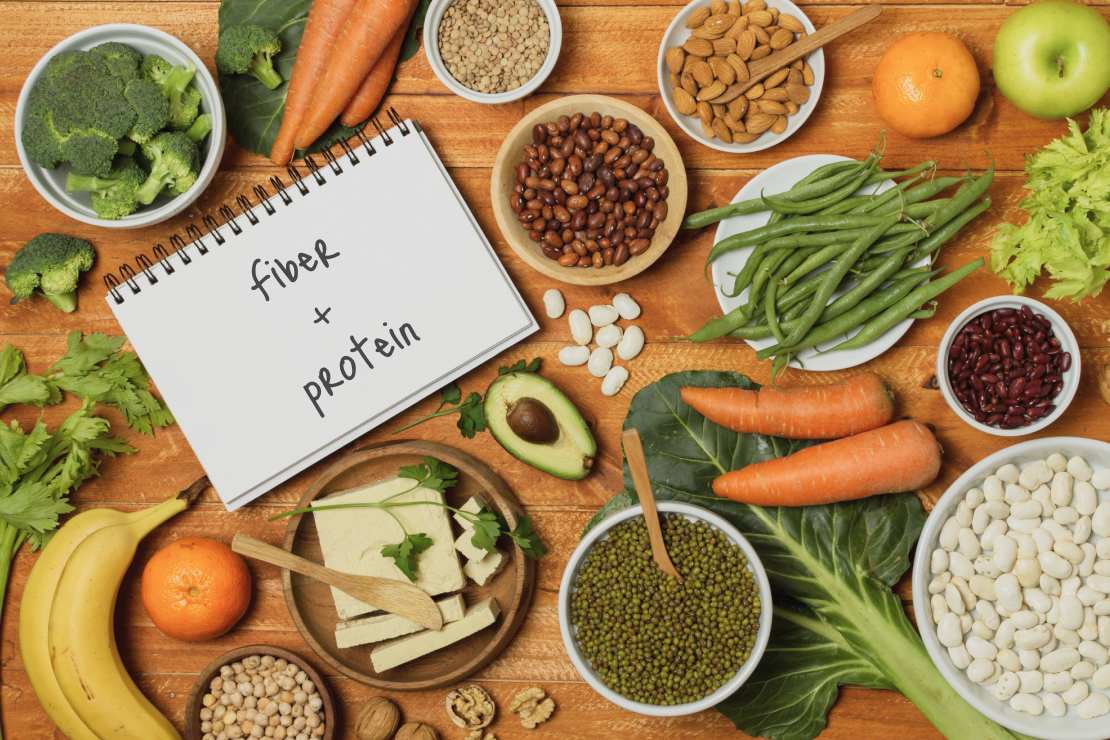
Does Fiber Affect Protein Absorption? What Science Says About Timing, Digestion & Diet Balance
Discover the complex relationship between fiber and protein absorption, backed by scientific research. Learn how to optimize your nutrition timing and meal planning for maximum benefits.
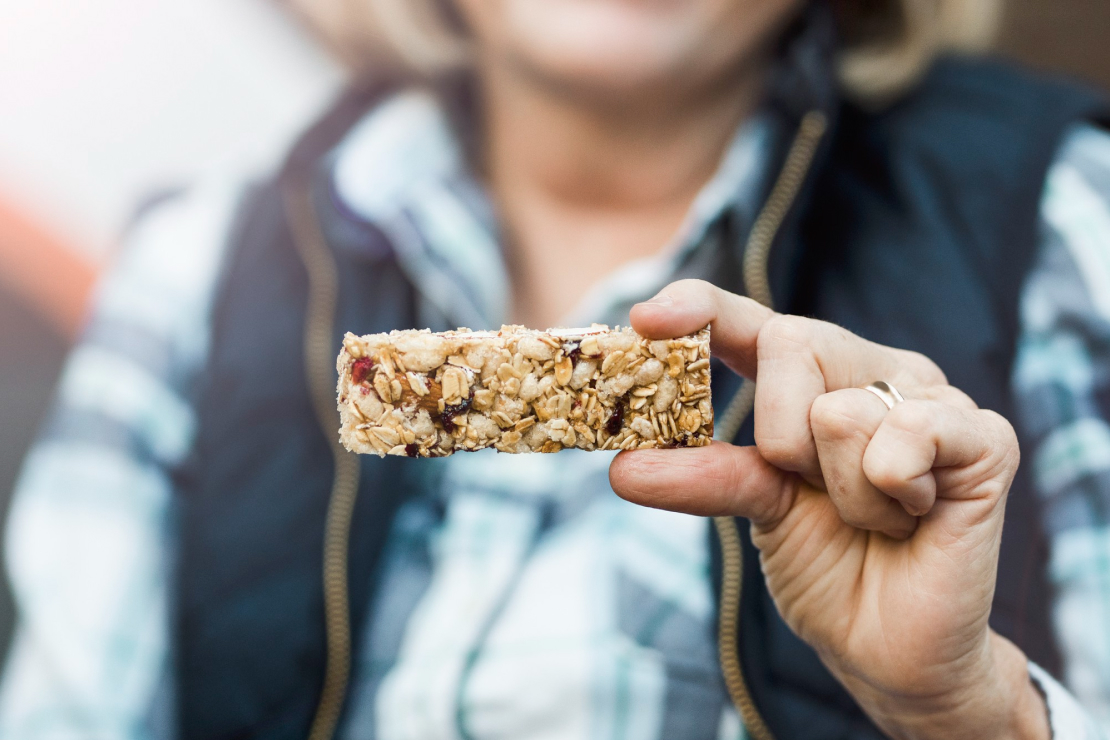
Are Protein Bars Actually Healthy? What to Look For
Discover the truth about protein bars, their nutritional value, and how to choose the healthiest options. Learn what ingredients to avoid and when to include them in your diet.
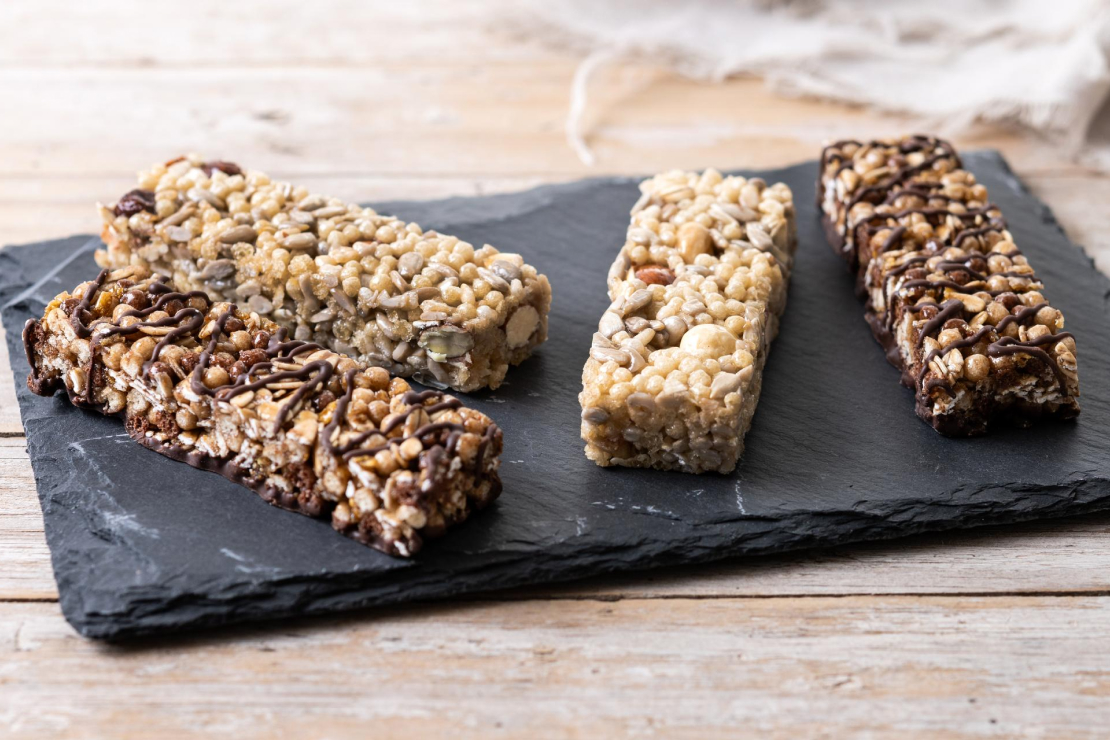
Protein Bars: Are They Actually Macro-Friendly or Candy in Disguise?
Unpack the truth about protein bars. Discover how to distinguish between genuinely macro-friendly options and those that are essentially candy bars in disguise. Learn what to look for, what to avoid, and how to use protein bars effectively to support your fitness and nutrition goals.
Start Your Health Journey Today
Download Macro Tracking AI and take control of your nutrition with the power of artificial intelligence.