How Much is Too Much? Finding Your 'Caffeine Sweet Spot'
One person's perfect cup is another's anxiety-inducing nightmare. We explore the science behind caffeine sensitivity, genetic differences, and the signs of overconsumption. Learn how to identify your personal 'caffeine sweet spot' to maximize benefits and minimize side effects.

Table of Content
Caffeine is a classic double-edged sword. For many, it's the key to unlocking focus, energy, and productivity. For others, it's a fast track to jitters, anxiety, and a sleepless night. Why does the same substance produce such vastly different reactions? The answer lies in finding your personal "caffeine sweet spot"—the optimal dosage that provides all the benefits without the drawbacks.
The U.S. Food and Drug Administration (FDA) cites 400 milligrams of caffeine a day—the equivalent of about four 8-ounce cups of coffee—as a generally safe amount for healthy adults. But this is a broad guideline, not a universal rule. Your ideal intake is unique, influenced by genetics, body weight, lifestyle, and even the time of day. Let's explore the science so you can find your perfect dose.
The Genetic Lottery: Fast vs. Slow Metabolizers
Your reaction to caffeine is largely governed by your genetics. The most important gene in this equation is CYP1A2. This gene provides instructions for producing an enzyme in your liver that is responsible for breaking down about 95% of the caffeine you consume. Variations in this gene mean you can be a:
- Fast Metabolizer: You have a highly active version of the enzyme that processes caffeine quickly. You might feel a quick, sharp boost, and the effects wear off relatively fast. You can often drink coffee later in the day without it disrupting your sleep.
- Slow Metabolizer: Your enzyme works more slowly. Caffeine lingers in your system for much longer, making you more susceptible to its stimulating effects. For you, a single morning coffee might be felt well into the afternoon, and an afternoon cup could easily lead to a sleepless night.
Another gene, ADORA2A, influences the adenosine receptors in your brain. Variations here can determine how strongly caffeine binds to these receptors, affecting how prone you are to caffeine-induced anxiety and sleep disturbances.
Know Your Dose: Caffeine Content in Common Beverages
The first step to finding your sweet spot is knowing how much caffeine you're actually consuming. It can vary wildly between drinks. Using an app like Macro Tracking AI is the most accurate way to log your intake, but here's a general guide:
Average Caffeine Content in Popular Beverages
| Beverage | Serving Size | Average Caffeine (mg) |
|---|---|---|
| Drip Coffee | 8 oz (240 ml) | 95 - 165 mg |
| Espresso | 1 oz (30 ml) | ~64 mg |
| Black Tea | 8 oz (240 ml) | 25 - 48 mg |
| Green Tea | 8 oz (240 ml) | 25 - 29 mg |
| Yerba Mate | 8 oz (240 ml) | ~85 mg |
| Standard Energy Drink | 8.4 oz (250 ml) | 80 - 150 mg |
| Diet Soda | 12 oz (355 ml) | ~46 mg |
| Dark Chocolate (>70%) | 1 oz (28 g) | ~24 mg |
Signs You've Overshot Your Sweet Spot
Consuming more caffeine than your body can comfortably handle leads to overstimulation. Recognizing these signs is crucial for dialing back your intake.
- Jitters and Restlessness: A physical feeling of being "wired" or unable to sit still.
- Anxiety or Panic: Caffeine can trigger the "fight-or-flight" response, leading to or worsening feelings of anxiety, especially in those already prone to it.
- Rapid Heartbeat: A noticeable increase in your heart rate (tachycardia) or palpitations (skipped beats).
- Digestive Distress: Caffeine stimulates gut motility. Too much can cause an upset stomach, heartburn, or urgent trips to the bathroom.
- Insomnia or Disrupted Sleep: Difficulty falling asleep, frequent waking, or waking up feeling unrefreshed are classic signs of consuming caffeine too late or in too high a dose for your metabolism.
- Headaches and Dizziness: While caffeine can cure withdrawal headaches, too much can also cause them as its effects wear off.
A Practical Guide to Finding Your Optimal Dose
Discovering your sweet spot is a process of self-experimentation and mindful observation. Here's how to approach it:
- Establish a Baseline: For one week, honestly track your current intake. Log every coffee, tea, soda, and energy drink. You might be consuming far more than you realize.
- Perform a Reset (Recommended): If you're a heavy user (over 400mg/day), your tolerance is high. Consider a 7-day caffeine reset to bring your tolerance back to baseline. This will allow you to feel the true effects of smaller doses.
- Start Low and Go Slow: After your reset, begin with a small dose—a single 6-ounce cup of coffee or a cup of green tea (50-100mg)—in the morning.
- Observe and Document: Use a simple journal or the notes feature in your phone. For each day, log the following:
- Dose & Time: e.g., "100mg at 8 AM"
- Positive Effects (1-5): Rate your focus, energy, and mood.
- Negative Effects (1-5): Rate any anxiety, jitters, or crashes.
- Sleep Quality (1-5): Note how long it took to fall asleep and how you felt upon waking.
- Adjust Accordingly: After a few days, assess. If the dose was well-tolerated but the benefits were minimal, try increasing by 50mg. If you experienced negative side effects, reduce the amount or switch to a lower-caffeine source. The goal is to find the *minimum effective dose* that gives you the positive effects you're looking for without the negatives.
Conclusion: Personalized Energy Management
There is no one-size-fits-all answer to how much caffeine is healthy. The "sweet spot" is a moving target that depends on your unique biology, lifestyle, and even day-to-day stress levels. The key is to move away from mindless consumption and toward intentional, strategic use.
By listening to your body, understanding the science, and tracking your intake, you can tailor your caffeine habit to serve you best. Use it as the powerful tool it is—to enhance your focus and energy—without letting it become a source of stress, anxiety, or sleepless nights. This personalized approach is the true secret to a healthy and productive relationship with caffeine.
Related Articles

How Much Protein Can Your Body Absorb in One Meal?
Discover the truth about protein absorption limits, debunk common myths, and learn how to optimize your protein intake for muscle gain and weight loss goals.
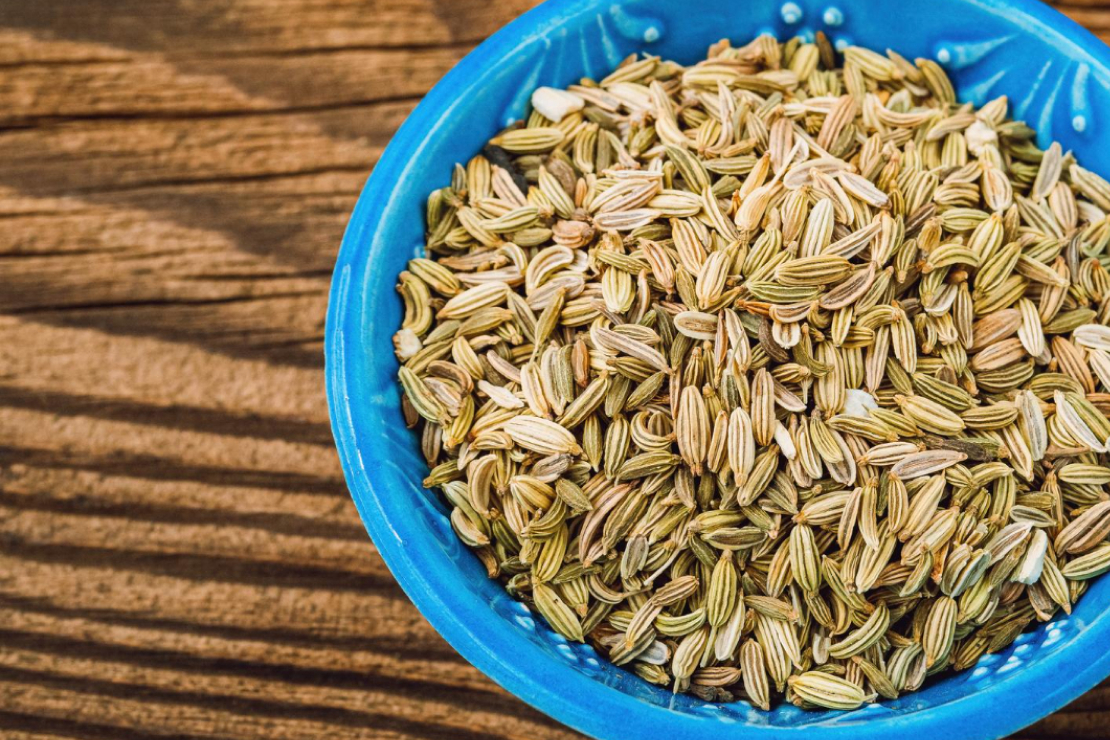
How Fennel Seeds Naturally Improve Digestion and Gut Comfort: A Holistic Approach to Digestive Wellness
Discover the ancient wisdom and modern science behind fennel seeds' remarkable ability to soothe digestive discomfort, reduce bloating, and promote a healthy gut. Learn how to incorporate this natural remedy into your daily routine for optimal digestive wellness.

Sweet Success:Healthy Ways to Beat the curb sugar craving
Discover science-backed strategies to overcome sugar cravings, from natural remedies to lifestyle changes. Learn how to take control of your sweet tooth and maintain a healthy relationship with sugar.
Start Your Health Journey Today
Download Macro Tracking AI and take control of your nutrition with the power of artificial intelligence.