Coffee Myths Debunked: Does it Really Dehydrate You?
Is coffee a diuretic that leads to dehydration? Does it stunt your growth? We're tackling the most persistent myths about coffee with scientific facts, so you can sip your favorite beverage with confidence and clarity.

Table of Content
Coffee is one of the most popular beverages in the world, but it's also one of the most misunderstood. Over the years, a host of myths and misconceptions have sprung up around our favorite brew, causing confusion and sometimes even unnecessary guilt. Is it a dangerous vice or a healthy habit?
It's time to set the record straight. We’re diving into the science to debunk some of the most common coffee myths, so you can separate fact from fiction and enjoy your cup with peace of mind.
Myth #1: Coffee Dehydrates You
The Claim: Because caffeine is a mild diuretic (meaning it makes you urinate more), drinking coffee leads to a net loss of body fluid and causes dehydration.
The Verdict: False.
This is perhaps the most persistent coffee myth. While it's true that caffeine has a mild, short-term diuretic effect, the volume of water in a standard cup of coffee is more than enough to offset this fluid loss. Numerous studies have confirmed that, when consumed in moderation (up to 4-5 cups per day), coffee does not lead to dehydration and contributes to your daily fluid intake just like water does.
Your body also develops a tolerance to the diuretic effect of caffeine over time. So, for regular coffee drinkers, the impact is even less significant. While water should always be your primary source of hydration, you don't need to drink extra water to "make up for" your daily coffee.
Myth #2: Coffee Stunts Your Growth
The Claim: Drinking coffee as a child or teenager will prevent you from reaching your full height potential.
The Verdict: False.
This myth likely originated from early studies that inaccurately linked coffee consumption to osteoporosis, a condition of brittle bones. The theory was that coffee led to bone loss, which could impair growth. However, these studies failed to account for the fact that the coffee drinkers in the study also had low calcium intake.
Modern research has found no scientific evidence that coffee or caffeine consumption has any effect on bone growth or final height. A person's height is primarily determined by genetics, with nutrition and overall health playing secondary roles. While it's not recommended for children to consume large amounts of caffeine, it has nothing to do with their skeletal development.
Myth #3: Espresso Has More Caffeine Than a Regular Coffee
The Claim: A shot of espresso is more caffeinated than a full cup of drip coffee.
The Verdict: It's Complicated (but Mostly False by Volume).
This myth is all about serving size. Ounce for ounce, espresso is indeed more concentrated. A typical 1-ounce shot of espresso has about 64 mg of caffeine. A standard 8-ounce cup of drip coffee, by contrast, has about 12 mg of caffeine per ounce.
However, nobody drinks 8 ounces of espresso. When you compare typical servings, the math flips:
- One shot of espresso (1 oz): ~64 mg of caffeine
- One cup of drip coffee (8 oz): ~95 mg of caffeine
So, while espresso is more potent by volume, a standard cup of coffee will generally give you a bigger total dose of caffeine. The dark, intense flavor of espresso just makes it *feel* stronger.
Myth #4: Dark Roasts Are "Stronger" and Have More Caffeine
The Claim: The bold, bitter flavor of a dark roast means it packs more of a caffeine punch.
The Verdict: False.
In fact, the opposite is often true. The roasting process burns off a small amount of caffeine. Therefore, if you measure your coffee by scoops (volume), a light roast will have slightly more caffeine because the beans are denser. If you measure by weight, the difference is negligible.
The "strong" flavor of a dark roast comes from the compounds developed during the prolonged roasting process, not from higher caffeine content. If you're looking for the biggest caffeine kick, stick with a light or medium roast.
Myth #5: You Should Avoid Coffee to Be Healthy
The Claim: Coffee is an unhealthy indulgence that should be limited or avoided for optimal health.
The Verdict: False.
For years, coffee was unfairly maligned. Today, a massive body of research points to its numerous health benefits. Thanks to its high concentration of antioxidants and other bioactive compounds, regular, moderate coffee consumption is linked to a reduced risk of many diseases, including:
- Type 2 Diabetes
- Parkinson's Disease
- Liver Disease (including liver cancer)
- Heart Attack and Stroke
The key, of course, is what you add to it. A black coffee is a healthy, virtually zero-calorie beverage. It's the added sugars, creams, and syrups that can turn it into an unhealthy choice. Using an app like Macro Tracking AI is the perfect way to enjoy your coffee while being mindful of what you add, ensuring it remains a healthy part of your day.
Conclusion: Sip with Confidence
It's time to let go of the outdated myths. Modern science shows that for the vast majority of people, coffee is a safe and even beneficial beverage when consumed in moderation. It doesn't dehydrate you, stunt your growth, or need to be avoided for a healthy lifestyle. So, brew your favorite roast, track any additions you make, and sip with the confidence that you're enjoying one of nature's most wonderful and healthful gifts.
Related Articles
Does Apple Cider Vinegar Burn Fat? What the Science Really Says
Discover the truth about apple cider vinegar for weight loss, backed by scientific research. Learn proper usage, benefits, and realistic expectations for your weight loss journey.
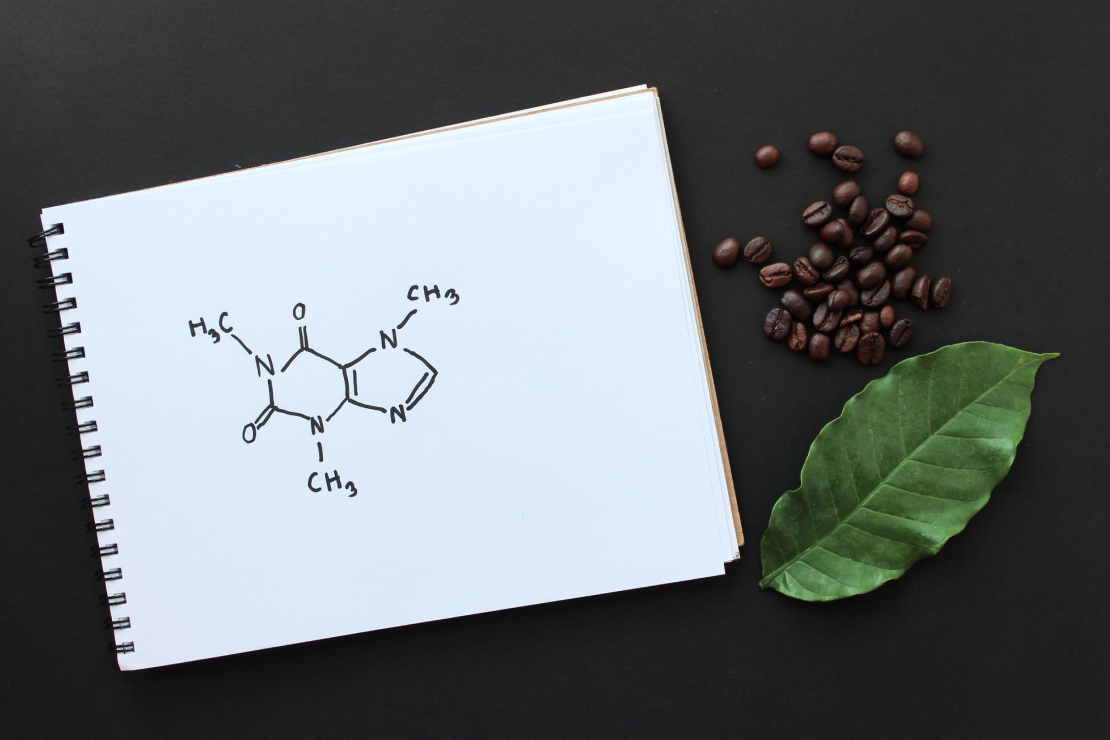
The Chemistry of Coffee: What Are You Actually Drinking?
Go beyond the caffeine. Coffee is a complex brew of over a thousand chemical compounds. We're breaking down the science of what's in your cup, from powerful antioxidants to the molecules that create its incredible aroma and flavor, and what it all means for your health.

Love at First Sip: The Psychology Behind Our Obsession with Coffee
Ever wondered why that first cup of coffee feels so magical? It’s more than just caffeine. We're diving deep into the psychology of our coffee obsession, from the comforting ritual to the powerful brain chemistry it triggers, and how you can enjoy every sip while staying true to your health goals.
Start Your Health Journey Today
Download Macro Tracking AI and take control of your nutrition with the power of artificial intelligence.