Are Poached Eggs Healthier Than Fried Eggs? The Full Comparison
Poached and fried eggs start from the exact same ingredient, but the cooking method changes more than you'd think. We compare calories, fat, nutrient retention, and digestibility to settle which preparation genuinely wins.
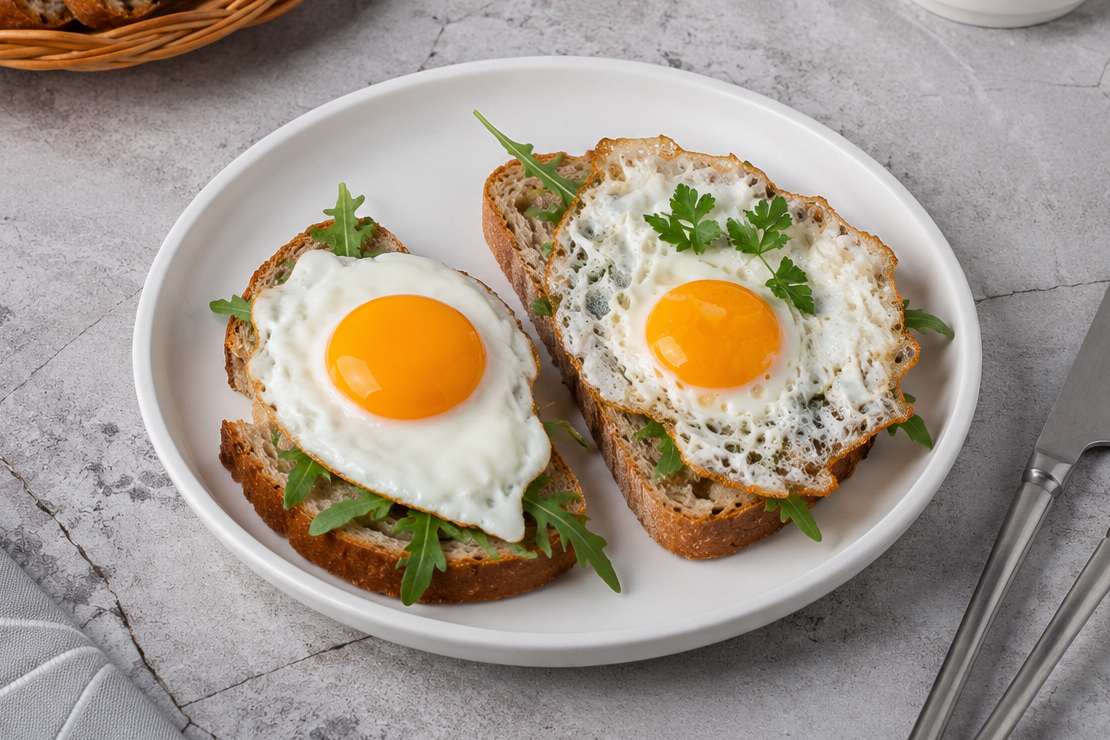
Table of Content
Introduction: Same Egg, Different Outcome
It's easy to assume that an egg is an egg, regardless of how it's cooked — after all, poaching and frying start with the exact same ingredient. But the cooking method you choose changes the final nutritional profile more than most people realize, primarily through added fat, cooking temperature, and how much of the egg's natural nutrients survive the process intact. This guide compares poached and fried eggs side by side on calories, fat, nutrient retention, and digestibility, so you can decide whether switching preparation methods is actually a meaningful health upgrade for your goals.
Nutritional Comparison: Poached vs. Fried
Both preparations start from the same nutritious egg — the difference comes entirely down to what happens in the pan.
| Nutrient (1 large egg) | Poached Egg | Fried Egg (1 tsp butter) | Difference |
|---|---|---|---|
| Calories | ~72 kcal | ~90-100 kcal | Fried adds ~20-30 kcal |
| Total Fat | ~5g | ~7-8g | Fried adds ~2-3g |
| Saturated Fat | ~1.6g | ~2.5-3g | Fried adds saturated fat from butter |
| Protein | ~6.3g | ~6.3g | No change |
| Cholesterol | ~185mg | ~185mg | No change from cooking method |
| Added Fat | 0g | 1 tsp butter or oil | Poaching requires no added fat |
Quick Verdict by Priority:
- Lowest Calories: Poached egg wins — no added fat from butter or oil.
- Lowest Saturated Fat: Poached egg wins — avoids butter's saturated fat entirely.
- Nutrient Retention: Poached egg wins — gentler heat preserves more heat-sensitive B vitamins.
- Flavor and Crispy Texture: Fried egg wins — browning and fat add richer flavor and texture.
- Extended Satiety: Fried egg wins — added fat slightly slows gastric emptying.
Poached Eggs: The Zero-Added-Fat Option
Poaching cooks an egg entirely in simmering water with no oil, butter, or added fat whatsoever. This means a poached egg's nutritional profile is identical to the egg's own natural content — roughly 72 calories and 5 grams of fat per large egg. The gentler, more controlled cooking temperature (around 180-190°F) also helps preserve slightly more of the heat-sensitive B vitamins compared to higher-heat frying.
- Zero Added Fat: No oil or butter means the egg's calorie and fat content stays exactly as nature provided it.
- Gentler Cooking Temperature: The controlled heat of simmering water preserves slightly more heat-sensitive nutrients than high-heat frying.
- Digestibility: The soft, delicate texture is naturally gentle on digestion for most people.
- No Added Saturated Fat: Poaching avoids the saturated fat that butter or oil would otherwise contribute.
Getting Poaching Right at Home:
- Use Fresh Eggs: Fresher eggs produce a tighter, cleaner poach since the whites hold together better.
- Add a Splash of Vinegar: A tablespoon per quart of water helps the egg white coagulate faster and hold its shape.
- Crack Into a Cup First: Sliding the egg gently from a small cup into barely-simmering water gives far more control than cracking directly into the pot.
- Keep the Water at a Gentle Simmer: A vigorous boil can break the egg apart before it sets.
- Batch Poach for Meal Prep: Poach eggs slightly under-set, shock in ice water, then store submerged in the refrigerator for up to two days, reheating briefly in warm water before serving.
Fried Eggs: Flavor and Texture at a Calorie Cost
Frying cooks an egg in a pan with added butter or oil, typically a teaspoon or more, which is where the bulk of the nutritional difference comes from. This added fat brings a fried egg to roughly 90-100 calories and 7-8 grams of fat, with a noticeably richer flavor and the crispy, browned edges many people specifically enjoy. Cooking at higher, less controlled heat can also degrade slightly more of the egg's heat-sensitive nutrients than gentler poaching.
- Rich Flavor and Texture: Browning from the fat creates a taste and crispness poaching can't replicate.
- Extended Satiety: The added fat modestly slows gastric emptying, which can extend fullness after the meal.
- Simple and Forgiving: Frying requires no special technique and is quick for beginners.
- Style Matters: Sunny-side up typically uses the least oil, while flipping for over-easy or over-hard styles can pick up slightly more oil from the pan surface.
Reducing Added Fat Without Losing Crispiness:
- Use a Light Cooking Spray: Cuts added fat to a fraction of a teaspoon compared to pouring oil directly.
- Choose Olive or Avocado Oil: A small amount of a healthy oil instead of butter still delivers flavor with less saturated fat.
- Use a Well-Seasoned Pan: A quality nonstick or cast iron surface requires minimal fat to prevent sticking.
- Cover Briefly With a Lid: Helps the white cook through without needing extra oil.
- Measure, Don't Pour: Using a spoon to measure oil rather than pouring freely from the bottle avoids underestimating actual fat intake.
How Other Egg Preparations Compare
Poached and fried aren't the only two ways to prepare an egg, and understanding where other common methods fall on this spectrum helps put the comparison in context.
- Boiled Eggs: Whether soft or hard, sit at essentially the same low-calorie, no-added-fat position as poached eggs, since both methods use nothing but heat from water.
- Scrambled Eggs: Typically fall in between, since most recipes use a small amount of butter or oil to prevent sticking, generally less than a fully fried egg requires.
- Baked or "Shirred" Eggs: Cooked in a ramekin in the oven, these can also be prepared with minimal added fat, making them another lower-calorie option for anyone who prefers a firmer texture than poaching produces.
Why Cooking Temperature Affects Nutrient Retention
The nutrient retention difference between poaching and frying comes down to more than just added fat — the cooking temperature itself plays a measurable role. Poaching keeps eggs at a relatively gentle 180-190°F throughout cooking, since the surrounding water can't exceed its boiling point. Frying, by contrast, often involves pan surface temperatures well above 300°F, particularly when oil is heated before the egg is added.
- Heat-Sensitive B Vitamins: Certain B vitamins, including folate and some forms of B6, can degrade more at higher frying temperatures over the same cooking duration.
- Modest but Real Effect: Eggs aren't a primary dietary source of these vitamins to begin with, so the effect is modest — but it's a real, measurable difference that compounds the calorie argument in poaching's favor.
- Cholesterol and Protein Unaffected: Cooking method doesn't meaningfully alter the egg's own cholesterol or protein content, since these come from the egg itself rather than the preparation.
Sunny-Side Up vs. Over-Easy vs. Over-Hard: Does Style Matter?
Beyond the basic choice to fry at all, the specific style of fried egg you choose changes cooking time and, marginally, how much oil ends up absorbed into the egg itself.
- Sunny-Side Up: Requires the least handling and typically uses the least additional oil, since the egg is never flipped.
- Over-Easy and Over-Hard: Flipping the egg can pick up slightly more oil from the pan surface with each turn.
- Lower, Controlled Heat: Cooking at a gentler temperature reduces the risk of excess browning and nutrient degradation regardless of which style you prefer.
- Personal Preference Matters Most: The nutritional differences between styles are small enough that yolk texture preference should generally guide your choice.
Tracking Your Egg Preparation Accurately
Because the calorie difference between these two methods often comes down to exactly how much oil or butter ends up in the pan, logging your eggs with precision matters more than most people realize.
- AI Food Recognition: Photograph your plate with Macro Tracking AI for an instant, accurate breakdown of calories and fat based on your actual preparation.
- Calorie Tracking: See exactly how your preferred cooking method is contributing to your daily totals over time.
- Avoiding Underestimation: A "teaspoon" of oil eyeballed from the bottle is often more, so accurate logging catches what a rough estimate would miss.
Choosing Based on Your Specific Health Goals
The right choice between poaching and frying ultimately depends on what you're optimizing for, since neither method is objectively "wrong" for everyone.
- Weight Loss Focus: Poached eggs are the clear choice, saving roughly 20-30 calories per egg with zero added saturated fat.
- Cardiovascular Risk Management: Poaching avoids the additional saturated fat from butter, which matters more for those specifically managing cholesterol.
- Flavor and Satisfaction Priority: A light-oil fried egg offers a reasonable middle ground, delivering most of the flavor benefit at a smaller calorie cost than a butter-fried egg.
- Digestive Sensitivity: Poached eggs' gentler texture may be preferable for those who find fried eggs heavier to digest.
- Consistency Across Multiple Eggs: If eating two or three eggs regularly, the calorie difference between methods compounds meaningfully over a week or month.
Conclusion: The Pan Matters More Than the Egg
Poached eggs are the lower-calorie, lower-fat option by a meaningful margin, primarily because they require no added oil or butter during cooking, and they retain marginally more of certain heat-sensitive nutrients thanks to their gentler cooking temperature.
Fried eggs aren't unhealthy by any means, but the added fat from cooking oil or butter can add up quickly if eaten regularly in larger quantities. For anyone specifically trying to reduce calorie or saturated fat intake, poached eggs are the smarter default — but a light-oil fried egg remains a perfectly reasonable middle ground.
Frequently Asked Questions
Are poached eggs better for weight loss than fried eggs?
Do poached eggs have more nutrients than fried eggs?
What's the healthiest way to fry an egg?
Related Articles
How Many Eggs a Day Is Too Many? What the Latest Science Says
Eggs went from dietary villain to nutritional superstar, but is there still a limit worth respecting? We break down the cholesterol research, ideal daily amounts, and who should actually be more cautious.
Egg Whites vs. Whole Eggs for Muscle Gain: Which Actually Builds More Muscle?
Bodybuilders have argued over egg whites versus whole eggs for decades. We dig into the muscle protein synthesis research, nutrient comparison, and calorie math to settle which option truly supports muscle growth better.
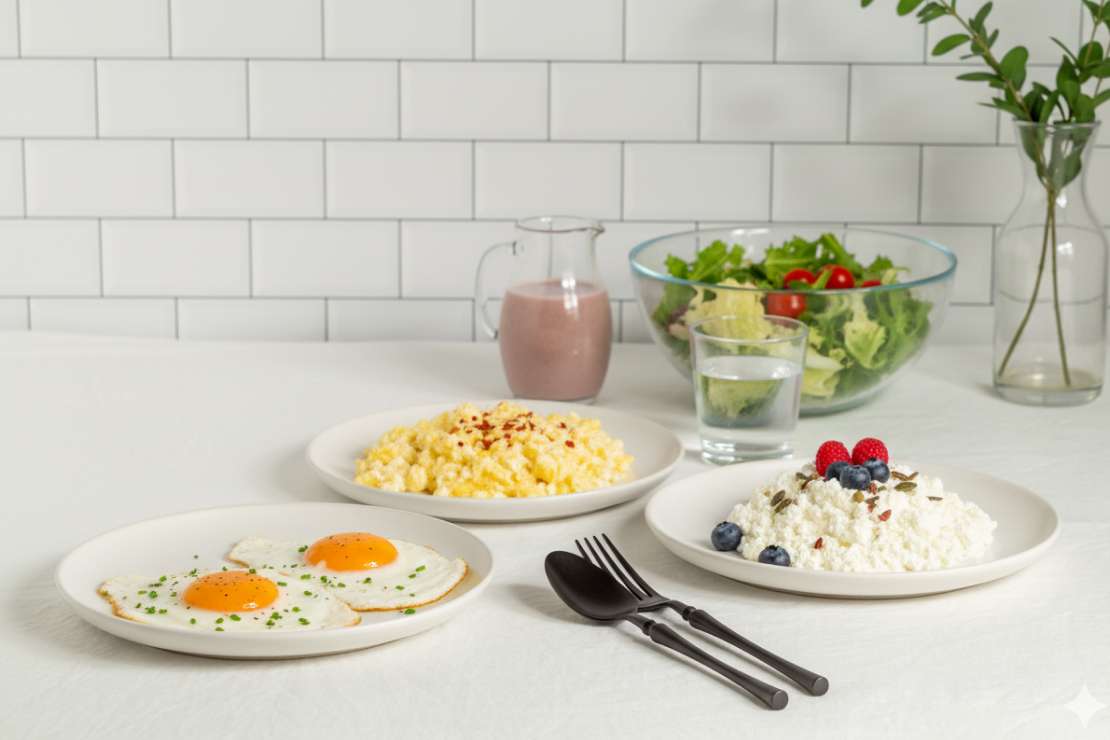
Whole Eggs vs. Egg Whites vs. Cottage Cheese: Best High-Protein Breakfast for Fat Loss?
Uncover the ultimate high-protein breakfast for fat loss by comparing whole eggs, egg whites, and cottage cheese. This detailed guide breaks down their nutritional benefits, satiety levels, and how each fits into a successful fat loss strategy.
Start Your Health Journey Today
Download Macro Tracking AI and take control of your nutrition with the power of artificial intelligence.