Sweet Potato vs. Regular Potato for Weight Loss: Which Really Wins?
Sweet potatoes have a health-food reputation while regular potatoes get unfairly labeled as fattening. We compare calories, glycemic index, fiber, and satiety to reveal which spud actually supports weight loss better.
Table of Content
Introduction
Sweet potatoes have somehow become the "acceptable" potato in health-conscious circles, showing up on clean-eating meal prep plates while regular white potatoes get quietly avoided as a starchy indulgence. But is this reputation actually earned by the nutrition science, or is it more about marketing and the orange color's association with vitamins?
This guide compares sweet potatoes and regular potatoes head-to-head on calories, glycemic index, fiber, and satiety research, to settle which one genuinely supports weight loss better.
Comparison Overview
| Nutrient (medium, ~130g) | Sweet Potato | Regular Potato | Difference |
|---|---|---|---|
| Calories | ~112 kcal | ~110 kcal | Nearly identical |
| Carbohydrates | ~26g | ~26g | Nearly identical |
| Fiber | ~3.8g | ~2.8g | Sweet potato has ~1g more |
| Vitamin A | ~120% DV | ~2% DV | Sweet potato dramatically higher |
| Vitamin C | ~30% DV | ~27% DV | Roughly comparable |
| Potassium | ~440mg | ~620mg | Regular potato notably higher |
Evaluation Criteria
- Calorie and carbohydrate content per equivalent serving
- Glycemic index and blood sugar response by cooking method
- Fiber content and its effect on satiety
- Vitamin and mineral profile differences
- Research on satiety per calorie
- Impact of preparation method versus potato type
Sweet Potato: The Vitamin A Powerhouse
Overview
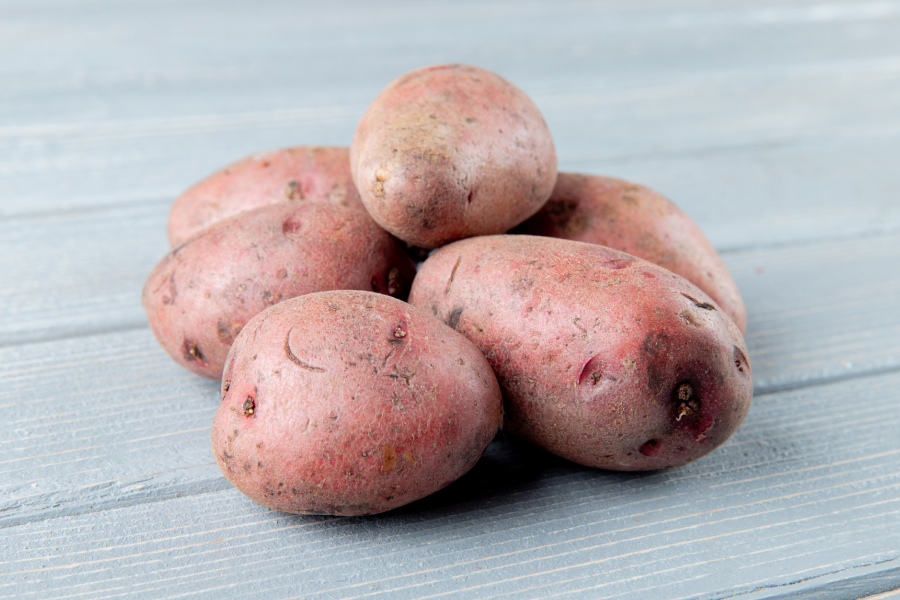
A medium sweet potato contains around 112 calories and 26 grams of carbohydrate, very close to a regular potato of the same size. Its standout feature is vitamin A, in the form of beta-carotene, delivering well over 100% of the daily value in a single medium potato — far more than a regular potato provides.
Key Features
- Exceptionally high in vitamin A (beta-carotene)
- Slightly more fiber than a regular potato
- Naturally sweeter flavor profile
- Moderate glycemic index that varies by cooking method
| Pros | Cons |
|---|---|
|
|
Use Cases
Nutrient-Dense Side Dish
Sweet potato's vitamin A density makes it an excellent choice when maximizing micronutrient intake alongside a weight-loss-focused meal.
- Bake or roast with the skin on to retain maximum fiber
- Avoid marshmallow or brown sugar toppings that add unnecessary calories
- Log your exact preparation with Macro Tracking AI to track true calorie impact
Pre- or Post-Workout Carbohydrate
Sweet potato's natural sweetness and moderate fiber content make it a satisfying carbohydrate choice around training sessions, particularly when time allows for slightly slower digestion than white rice.
- Roast in small cubes for faster cooking and easier portioning
- Pair with a lean protein source for a balanced pre-workout meal
- Mash with a splash of milk instead of butter to keep added fat low
Verdict
Sweet potatoes offer a genuine vitamin A advantage and a modest fiber edge, but they aren't meaningfully lower in calories than regular potatoes — the "healthier" reputation is only partly earned.
Regular Potato: The Underrated Satiety Champion
Overview
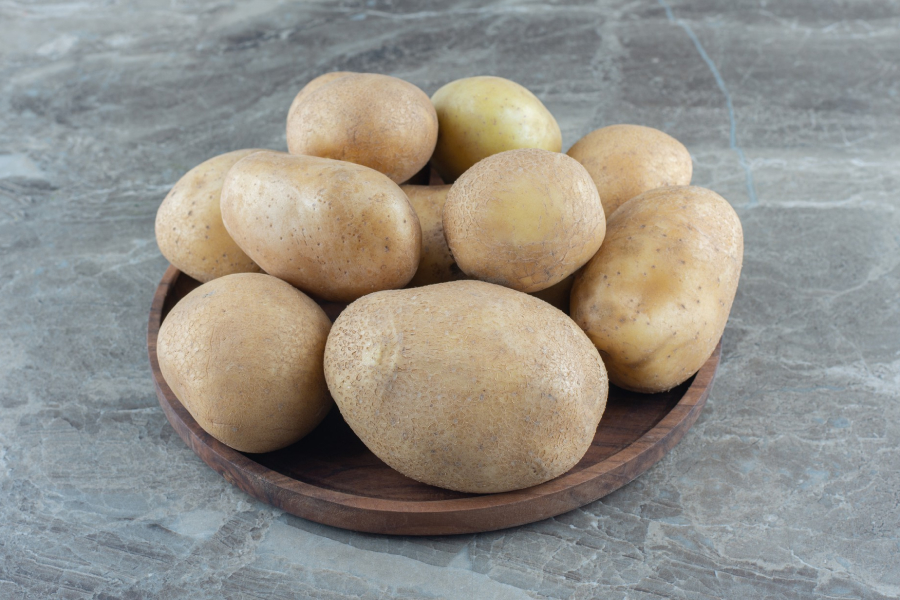
A medium regular potato contains around 110 calories and 26 grams of carbohydrate — essentially identical to a sweet potato of the same size. Research using the Satiety Index has found boiled potatoes to be among the most filling foods tested relative to their calorie content, outperforming most other carbohydrate sources including rice and whole wheat bread.
Key Features
- Among the most satiating foods per calorie in research
- Higher potassium content than sweet potato
- Neutral flavor that pairs with a wide range of dishes
- Glycemic index varies significantly with cooking method
| Pros | Cons |
|---|---|
|
|
Use Cases
Filling, Low-Calorie Meal Base
A plain boiled or baked regular potato, eaten with the skin on, is a genuinely filling, low-fat food that deserves credit in a weight-loss context.
- Boil rather than bake for a lower glycemic impact
- Cool after cooking to increase resistant starch content
- Leave the skin on for maximum fiber and nutrients
Potato Salad and Resistant Starch Prep
Cooking potatoes ahead and cooling them before eating, such as in a potato salad, increases resistant starch content, which behaves more like fiber and reduces the effective calorie availability.
- Boil potatoes the night before and refrigerate before serving cold or reheated
- Use a light vinaigrette instead of a mayonnaise-heavy dressing
- Add fresh herbs and vegetables to boost the fiber and micronutrient content further
Verdict
Regular potatoes carry an undeserved reputation problem — a plain, simply prepared potato is a nutrient-dense, highly filling food that performs excellently in satiety research.
Summary
Choosing the Right Potato with Macro Tracking AI
Neither potato is clearly superior across the board — the right choice depends on your specific nutritional priorities and, most importantly, how you prepare it.
| Priority | Best Choice | Why? |
|---|---|---|
| Vitamin A intake | Sweet potato | Dramatically higher beta-carotene content |
| Potassium intake | Regular potato | Meaningfully higher potassium per serving |
| Satiety per calorie | Regular potato (boiled) | Ranked among the most filling foods in the Satiety Index |
| Fiber content | Sweet potato | Modest edge, larger with skin left on |
| Blood sugar response | Depends on cooking method | Boiling and cooling lowers glycemic impact for both |
Because preparation method changes the calorie count of either potato so dramatically, tracking your actual toppings and cooking method with Macro Tracking AI's AI food recognition gives a far more accurate picture than assuming "potato" always means the same thing nutritionally.
Skin On or Skin Off: A Small Choice With Real Impact
For both sweet potatoes and regular potatoes, the skin contains a disproportionate share of the vegetable's total fiber along with a meaningful concentration of antioxidants and minerals, including potassium and iron. Peeling either potato before cooking can reduce total fiber content by nearly half depending on the size and variety. For weight loss purposes specifically, leaving the skin on and simply scrubbing it clean before cooking is a small, free upgrade that improves the nutritional value of either potato type without changing the calorie count or requiring extra effort.
| Priority | Best Choice | Why? |
|---|---|---|
| Vitamin A intake | Sweet potato | Dramatically higher beta-carotene content |
| Potassium intake | Regular potato | Meaningfully higher potassium per serving |
| Satiety per calorie | Regular potato (boiled) | Ranked among the most filling foods in the Satiety Index |
| Fiber content | Sweet potato | Modest edge, larger with skin left on |
| Blood sugar response | Depends on cooking method | Boiling and cooling lowers glycemic impact for both |
Conclusion
Sweet potatoes and regular potatoes are more nutritionally similar than their reputations suggest, with sweet potatoes offering more vitamin A and regular potatoes historically showing strong satiety performance in research. Neither is clearly superior for weight loss on its own.
What matters far more is portion size and, especially, preparation method. A plain baked or boiled potato of either variety is a nutrient-dense, filling, low-calorie food that deserves a place in a weight-loss-focused diet.
"The potato you choose matters less than how you cook it. A plain baked regular potato beats a marshmallow-topped sweet potato every time for weight loss."
Related Articles
Mediterranean vs. DASH: Which Diet Is Best for Weight Loss?
Dive into a comprehensive comparison of the Mediterranean and DASH diets. Discover their core principles, health benefits, and effectiveness for weight loss to help you choose the best eating plan for your goals.
Quinoa vs Rice vs Couscous: Which Grain Supports Weight Loss Best?
Discover which grain is best for your weight loss journey. Compare quinoa, rice, and couscous nutrition, benefits, and how each affects your weight loss goals with expert insights and AI tracking tips.

How to Eat an Avocado for Weight Loss: Does Avocado Really Help You Slim Down?
Find out how to eat avocado for weight loss effectively. Explore the best times to eat it, whether it truly helps with fat loss, and smart pairing ideas like eggs or breakfast meals to support your goals.
Start Your Health Journey Today
Download Macro Tracking AI and take control of your nutrition with the power of artificial intelligence.