Is Chicken and Rice Healthy Every Day? What Happens to Your Body
Chicken and rice is the go-to meal for gym-goers and dieters everywhere, but is eating it daily actually good for you? We break down the nutrition science, nutrient gaps, and smarter ways to eat this classic combo long-term.
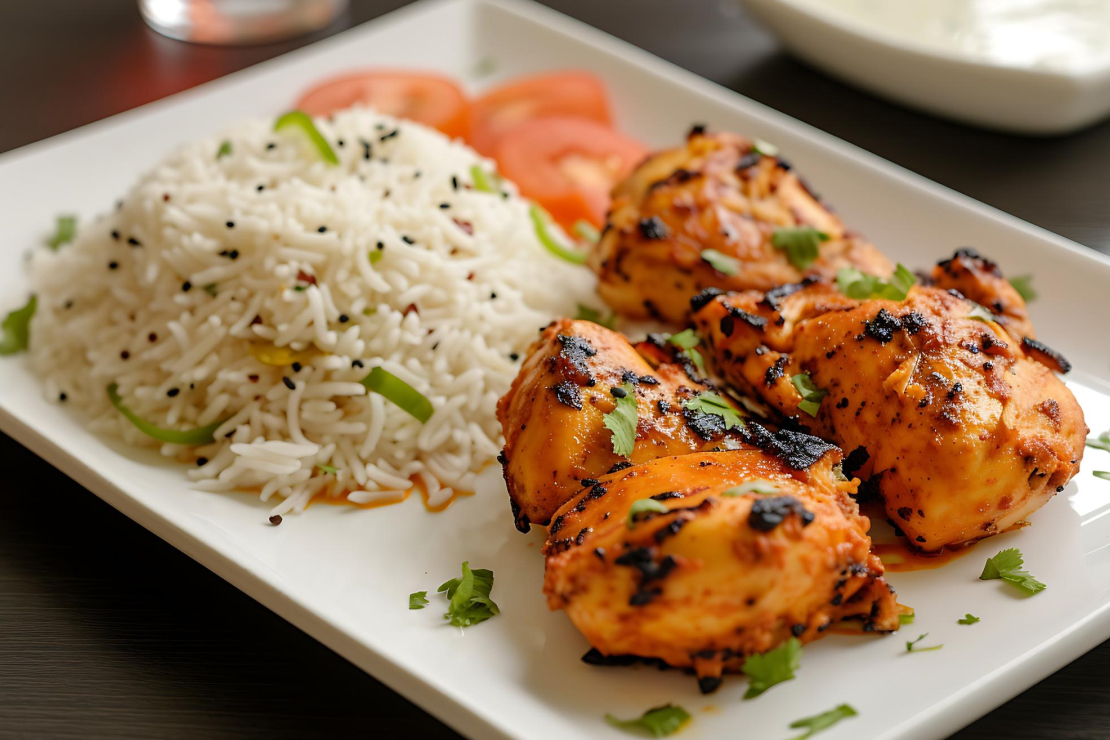
Table of Content
Introduction: Why Chicken and Rice Became the "Default" Healthy Meal
Walk into any gym locker room, scroll through any fitness influencer's meal prep photos, or open any bodybuilding forum, and you'll find the same meal repeated endlessly: grilled chicken breast next to a mound of white rice. It's become shorthand for "eating clean," the default answer to "what should I eat to lose fat or build muscle?" But repetition raises a fair question: if you ate chicken and rice every single day, would your body actually thrive, or would you eventually run into problems?
Nutritional Profile: What Chicken and Rice Actually Provide
On paper, chicken and rice is a nutritionally sound combination, checking two of the three macronutrient boxes cleanly: high protein for muscle repair and satiety, and readily available carbohydrate energy.
| Nutrient (per serving) | Chicken Breast (3.5oz) | White Rice (1 cup cooked) | Combined Meal |
|---|---|---|---|
| Calories | 165 kcal | 205 kcal | ~370 kcal |
| Protein | 31g | 4g | ~35g |
| Carbohydrates | 0g | 45g | ~45g |
| Fat | 3.6g | 0.5g | ~4g |
| Fiber | 0g | 0.6g | ~0.6g |
Why This Combination Works So Well:
- High-Quality Protein: Chicken breast is one of the leanest, most complete protein sources available, supporting muscle repair and satiety.
- Predictable Macros: A stable, repeatable macro profile makes daily tracking far easier, which is why this pairing works so well with structured nutrition tracking apps like Macro Tracking AI.
- Digestibility: Both foods are naturally gentle on digestion, free of common allergens like gluten and dairy.
- Versatility for Any Goal: Adjusting portion sizes makes this meal equally effective for a calorie deficit or a calorie surplus.
Where Daily Chicken and Rice Can Fall Short
The nutritional gaps in an all-chicken-and-rice diet don't come from what's in the meal — they come from what's missing around it.
- Almost No Fiber: Chicken breast contains essentially no fiber, and white rice contributes only a trace amount, which can leave a diet built heavily around this pairing well short of the 25-38 grams of daily fiber most adults need.
- Limited Micronutrient Variety: This combination supplies very little vitamin C, vitamin K, folate, or the antioxidants found in colorful vegetables and fruits.
- Missing Healthy Fats: Skinless chicken breast is intentionally lean, and white rice contains virtually no fat, leaving essential fatty acids needed for hormone production largely unaddressed.
- Dietary Monotony: Eating the exact same two foods daily can lead to a narrower gut microbiome diversity over time, since different fiber types feed different beneficial bacteria strains.
How to Eat Chicken and Rice Every Day the Smart Way
None of these gaps mean you need to abandon chicken and rice as a dietary staple — they simply mean it works best as a flexible base rather than the entire meal.
- Swap to Brown Rice: Alternating with brown rice roughly triples your fiber intake per serving while adding B vitamins and trace minerals.
- Add a Generous Portion of Vegetables: Broccoli, spinach, bell peppers, or a mixed salad fill in the vitamin C, folate, and antioxidant gaps almost entirely.
- Reintroduce Healthy Fats: A drizzle of olive oil, a handful of avocado, or a few almonds reintroduces the fats that lean chicken breast lacks, aiding absorption of fat-soluble vitamins.
- Rotate Protein Sources: Swapping in fish, eggs, tofu, or lean beef two or three times a week introduces nutrients chicken breast doesn't provide, like omega-3s or iron.
- Vary Seasoning: Rotating marinades and spice blends keeps the same macro-friendly base feeling different night to night, reducing diet burnout.
Tracking Chicken and Rice Accurately
One of the most common mistakes with a "safe," repeated meal is assuming you already know its calorie and macro content well enough to stop measuring it. Portion sizes creep upward over time — an extra scoop of rice here, a slightly bigger chicken breast there — and small daily overages compound into stalled fat loss within weeks.
- AI Food Recognition: Photograph your plate with Macro Tracking AI for an instant, accurate breakdown of calories, protein, carbs, and fat.
- Daily Analytics: The app's progress visualization makes it easy to spot whether portions have quietly drifted from your goals.
- Personalized Goals: Set macro targets specific to your body size, activity level, and whether you're cutting or bulking.
What Bodybuilders and Dietitians Actually Disagree About
"Is chicken and rice healthy every day" gets very different answers depending on who you ask, and understanding why is genuinely useful rather than a reason to dismiss one side entirely.
- The Bodybuilding Perspective: Competitors rely on chicken and rice because their goals are narrow and measurable — hitting exact protein and carbohydrate targets with minimal variability. From this lens, the meal is close to ideal, since athletes typically supplement with a multivitamin and eat other whole foods across the rest of their day.
- The Dietitian Perspective: Registered dietitians evaluate meals in the context of a general population that isn't necessarily supplementing or eating a varied diet the rest of the day. From this lens, concerns about fiber and micronutrient diversity are entirely legitimate.
- Both Are Correct: The disagreement isn't really about the nutrition science — it's about who's eating the meal and what else is happening in the rest of their diet.
Chicken and Rice for Different Goals
How you build your chicken and rice meal should shift depending on whether you're cutting, maintaining, or bulking.
- Cutting Phase: Keep portions of rice modest and prioritize vegetable volume to maximize fullness per calorie while maintaining high protein.
- Maintenance: A roughly balanced plate of chicken, rice, and vegetables in equal visual proportions works well as a sustainable long-term pattern.
- Bulking Phase: Increase rice portions and add a calorie-dense healthy fat like olive oil or nuts to hit a caloric surplus without excessive volume.
- Post-Workout: Slightly larger rice portions support faster glycogen replenishment when timed within an hour or two of training.
Signs Your Routine Needs an Adjustment
- Persistent Constipation: Often one of the first signs of inadequate fiber intake from this pairing.
- Unusual Fatigue: Can point to a micronutrient shortfall if you're not eating much beyond chicken and rice.
- Diet Fatigue: A drop in motivation to keep eating the same meal frequently precedes a binge or complete abandonment of otherwise good habits.
Conclusion: A Dependable Foundation, Not a Complete Diet
Chicken and rice, eaten every day, is not inherently unhealthy — it's an efficient, protein-rich, easily portioned combination that has helped countless people reach their fitness and weight goals. The real risk isn't the meal itself but the narrowness of a diet built around it in isolation, without enough fiber, healthy fats, and micronutrient variety.
Treat chicken and rice as a dependable foundation rather than your entire diet, round it out with vegetables, healthy fats, and occasional protein variety, and it can absolutely remain a daily staple for months or years without any downside to your long-term health.
Frequently Asked Questions
Is it bad to eat chicken and rice every day for weight loss?
How much chicken and rice should I eat per day?
Will eating chicken and rice every day get boring and cause a binge?
Is brown rice necessary, or is white rice fine every day?
Do I need to add a multivitamin if I eat chicken and rice daily?
Related Articles
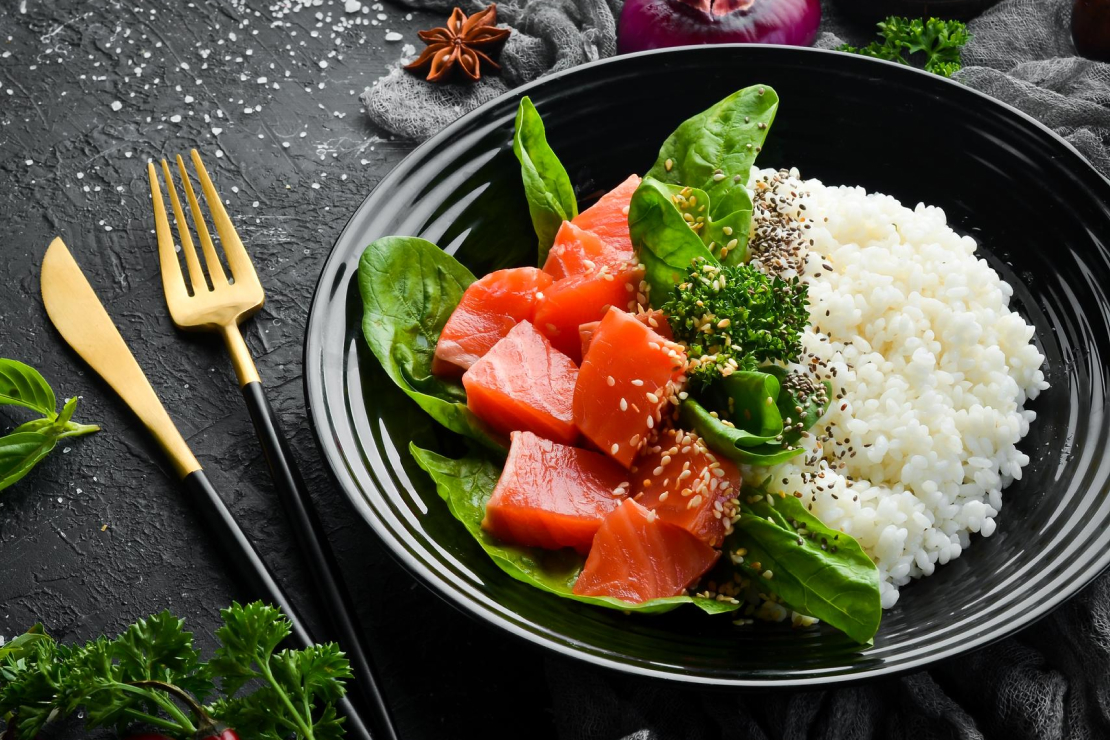
Is Tuna and Rice a Good Bodybuilding Meal? A Complete Breakdown
Tuna and rice has been a bodybuilding staple for decades, but is it actually optimal for muscle growth in 2026? We break down the protein quality, macros, and smart upgrades to make this classic bulk-or-cut meal work even harder.
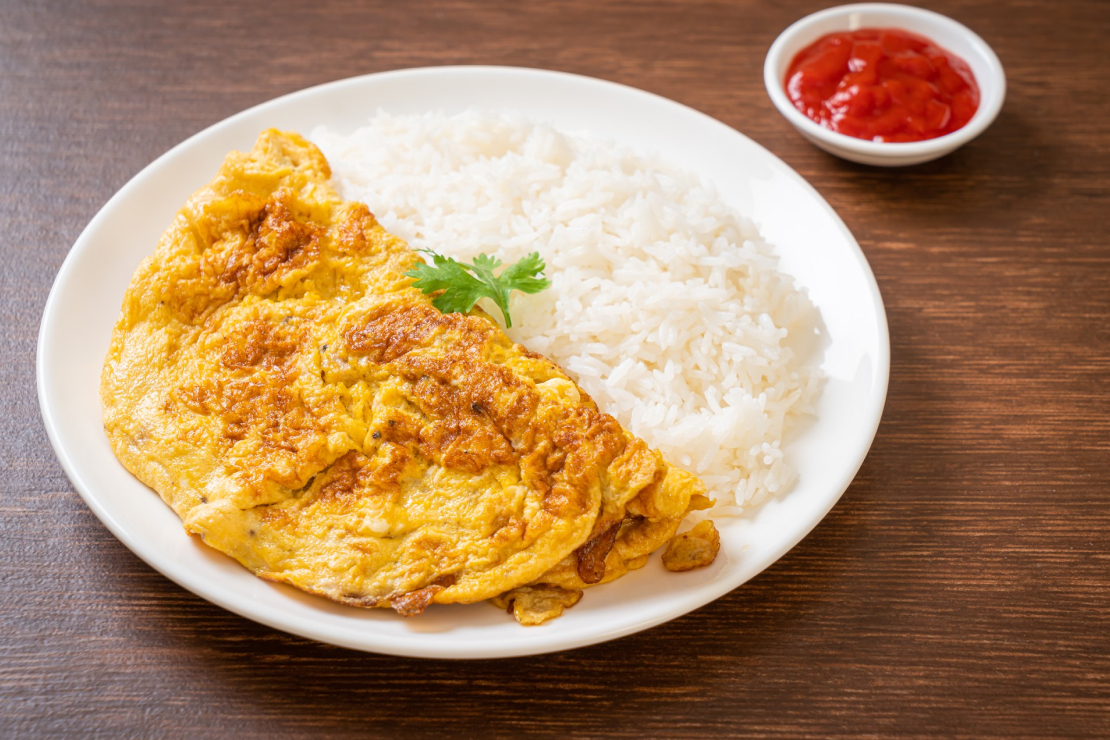
Is It Bad to Eat Eggs with Rice Daily? A Look at Nutrient Pairing and Weight Goals
Explore the nutritional impact of eating eggs with rice daily. Understand how this common meal affects nutrient pairing, weight management, and overall health goals.
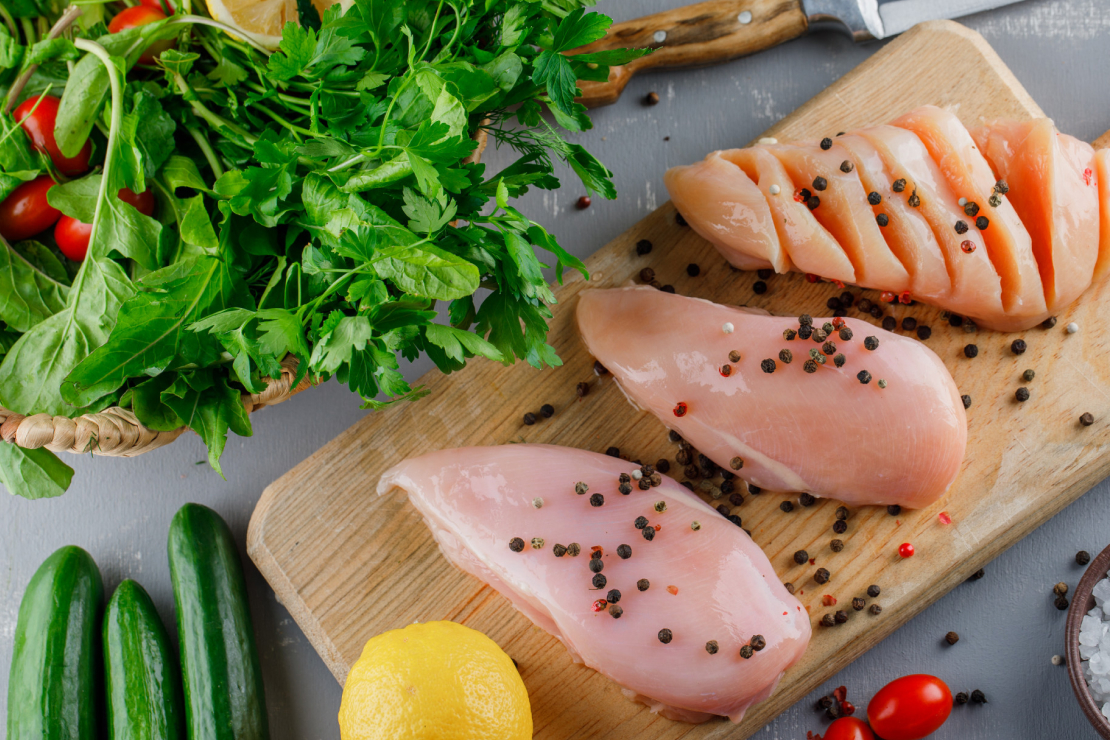
Chicken Breast Macros: Why It's the Gold Standard for Lean Protein
Unpack the nutritional powerhouse that is chicken breast. Discover its macro breakdown, health benefits, and how it supports weight loss, muscle gain, and overall fitness goals. Learn why it
Start Your Health Journey Today
Download Macro Tracking AI and take control of your nutrition with the power of artificial intelligence.