Is Tuna and Rice a Good Bodybuilding Meal? A Complete Breakdown
Tuna and rice has been a bodybuilding staple for decades, but is it actually optimal for muscle growth in 2026? We break down the protein quality, macros, and smart upgrades to make this classic bulk-or-cut meal work even harder.
Table of Content
Introduction
Long before meal prep influencers and macro tracking apps existed, bodybuilders were already eating tuna and rice out of Tupperware containers by the dozen. It's cheap, fast to prepare, stores well, and delivers a genuinely impressive amount of protein per dollar — exactly why it earned a permanent spot in gym culture. But "classic" doesn't automatically mean "optimal," and it's worth actually examining whether tuna and rice holds up as a smart bodybuilding meal by today's nutrition science.
This guide breaks down the protein quality, calorie efficiency, and nutritional gaps of tuna and rice, comparing what each food contributes on its own before showing exactly how to upgrade the combination for cutting, bulking, or general muscle-building goals. We'll also cover the mercury question that comes up whenever tuna is eaten frequently, plus how to time this meal around your training for maximum benefit.
Comparison Overview
| Nutrient (per serving) | Tuna (5oz, canned in water) | White Rice (1 cup cooked) | Combined Meal |
|---|---|---|---|
| Calories | ~140 kcal | ~205 kcal | ~345 kcal |
| Protein | ~31g | ~4g | ~35g |
| Carbohydrates | 0g | ~45g | ~45g |
| Fat | ~1g | ~0.5g | ~1.5g |
| Fiber | 0g | ~0.6g | ~0.6g |
| Sodium | ~320mg (varies by brand) | ~2mg | ~322mg |
Evaluation Criteria
- Protein quality and completeness for muscle protein synthesis
- Calorie efficiency for cutting versus bulking phases
- Micronutrient gaps, including fat and fiber content
- Mercury exposure from frequent tuna consumption
- Practicality: cost, prep time, and shelf stability
- Flexibility around pre- and post-workout timing
Tuna: The Bodybuilding Protein Staple
Overview
Tuna has earned a permanent place in bodybuilding nutrition thanks to its outstanding protein-to-calorie ratio. A standard 5-ounce can packed in water delivers around 31 grams of complete protein for roughly 140 calories, with virtually no fat or carbohydrates. It's shelf-stable, inexpensive, and requires zero cooking, which is exactly why it became a gym-bag and meal-prep container staple for generations of lifters. Beyond raw protein numbers, tuna also supplies a meaningful amount of selenium, an antioxidant mineral involved in thyroid function and metabolic regulation, along with vitamin B12 for energy metabolism and red blood cell production. Fattier varieties like albacore also contribute a modest amount of omega-3 fatty acids, though light tuna in water remains the more common bodybuilding choice thanks to its lower mercury content and cost.
Key Features
- Roughly 31g of complete protein per 5oz serving
- Virtually fat-free and carb-free on its own
- Rich in selenium, vitamin B12, and (in oilier varieties) omega-3s
- Shelf-stable for months, ideal for bulk meal prep
| Pros | Cons |
|---|---|
|
|
Use Cases
Post-Workout Recovery Meal
Tuna's fast-absorbing complete protein makes it a strong choice immediately after training when the body is primed for muscle repair.
- Pair with fast-digesting white rice for quicker glycogen replenishment
- Add a small amount of healthy fat like avocado for hormone support
- Log the exact can size with Macro Tracking AI's food recognition for precise protein tracking
Daily Protein Anchor During a Cut
When calories are tightly restricted, tuna lets you hit high protein targets without spending your limited calorie budget on fat or carbs.
- Rotate with chicken or salmon a few times weekly to reduce mercury exposure
- Choose light tuna over albacore for lower mercury content
- Track sodium intake if eating multiple servings daily
Canned vs. Fresh Tuna Steak Trade-offs
Choosing between canned tuna and a fresh tuna steak comes down to consistency versus flavor. Canned tuna offers a remarkably stable protein and calorie count can to can, which matters when hitting precise macro targets repeatedly, while fresh tuna steak often delivers slightly more omega-3 content and a firmer texture at a higher cost.
- Default to canned tuna for daily consistency and budget-friendly bulk meal prep
- Reserve fresh tuna steak for occasional variety or special training blocks
- Weigh fresh tuna raw before cooking for the most accurate macro logging
Verdict
Tuna is one of the most efficient whole-food protein sources available, particularly valuable during a cut. Its main drawbacks — missing fat and mercury content — are easily managed with smart pairing and rotation, tracked precisely with Macro Tracking AI.
Rice: The Carbohydrate Engine
Overview
Rice supplies the fast-digesting carbohydrate energy that tuna's protein-only profile lacks. A cup of cooked white rice provides around 45 grams of carbohydrate for roughly 205 calories, making it an efficient way to fuel training and replenish muscle glycogen without excess fat or fiber slowing digestion around workouts. Because white rice is milled to remove the bran and germ, it digests quickly and doesn't compete with protein absorption around a workout window, which is part of why it remains the default carbohydrate choice in bodybuilding circles over slower-digesting alternatives like quinoa or whole wheat pasta.
Key Features
- Roughly 45g of fast-digesting carbohydrate per cooked cup
- Naturally gluten-free and easy to digest
- Neutral flavor that pairs with nearly any protein or sauce
- Inexpensive and simple to prepare in bulk
| Pros | Cons |
|---|---|
|
|
Use Cases
Pre-Workout Fuel
The fast carbohydrate absorption from white rice provides readily available energy for a training session without a heavy, slow-digesting fat load.
- Eat 1-2 hours before training for optimal digestion
- Keep added fat minimal in this specific meal to speed digestion
- Measure cooked portions with a scale rather than eyeballing
Bulking Phase Carbohydrate Base
Rice's calorie density and neutral flavor make it an easy way to add substantial carbohydrate volume during a muscle-building phase.
- Increase portion size gradually to avoid excess fat gain
- Swap in brown rice periodically for added fiber and micronutrients
- Track total daily carbohydrate intake with Macro Tracking AI's macro tracking
White Rice vs. Brown Rice Rotation
Alternating between white and brown rice throughout the week balances white rice's fast digestion around training with brown rice's added fiber and micronutrients on rest days.
- Use white rice on training days for faster glycogen replenishment
- Use brown rice on rest days when digestion speed matters less
- Cool cooked rice before eating some meals to increase resistant starch content
Verdict
Rice is a highly efficient, versatile carbohydrate source that pairs perfectly with tuna's protein density. Alternating with brown rice periodically closes its fiber and micronutrient gaps without sacrificing convenience.
Summary
Building the Optimal Tuna and Rice Meal
Neither tuna nor rice is nutritionally complete on its own, but together — and with a few smart additions — they form one of the most efficient bodybuilding meals available.
| Goal | Best Adjustment | Why? |
|---|---|---|
| Cutting phase | Keep as-is or add greens | Extremely high protein-to-calorie ratio, ideal for a deficit |
| Bulking phase | Add olive oil or avocado | Reintroduces healthy fat for hormone support and extra calories |
| Muscle building | Rotate with salmon or chicken | Adds omega-3s and iron tuna alone doesn't provide |
| Mercury concerns | Choose light tuna over albacore | Meaningfully lower mercury content for frequent eaters |
| Digestive comfort | Swap to brown rice | Adds fiber and slows digestion for better satiety |
Tracking a repeated meal like this accurately matters more than people think — small portion creep compounds quickly across a week of eating it multiple times daily. Macro Tracking AI's AI food recognition and macro tracking make logging effortless, while the saved foods library speeds up repeat entries.
Managing Mercury Exposure From Frequent Tuna Consumption
Tuna, particularly larger species like albacore, contains more mercury than most other fish, which is a legitimate consideration for anyone eating it as a primary protein source multiple times daily over months at a time. Light tuna packed in water generally carries meaningfully lower mercury levels than albacore, making it the smarter default for frequent eaters. Rotating tuna with chicken, salmon, or lean beef a few times per week rather than eating tuna exclusively also reduces cumulative mercury exposure while introducing nutrients tuna doesn't provide in meaningful amounts, such as the iron found in red meat or the higher omega-3 content in salmon.
| Goal | Best Adjustment | Why? |
|---|---|---|
| Cutting phase | Keep as-is or add greens | Extremely high protein-to-calorie ratio, ideal for a deficit |
| Bulking phase | Add olive oil or avocado | Reintroduces healthy fat for hormone support and extra calories |
| Muscle building | Rotate with salmon or chicken | Adds omega-3s and iron tuna alone doesn't provide |
| Mercury concerns | Choose light tuna over albacore | Meaningfully lower mercury content for frequent eaters |
| Digestive comfort | Swap to brown rice | Adds fiber and slows digestion for better satiety |
Conclusion
Tuna and rice remains a genuinely excellent bodybuilding meal thanks to its outstanding protein density, low cost, and fast prep time. The meal becomes even stronger with the addition of a healthy fat source, some fiber from brown rice or vegetables, and rotation with other protein sources to manage mercury intake and add nutritional variety.
Used this way, tuna and rice can absolutely remain a reliable staple throughout any bulking or cutting phase. Whether positioned before training for fast-digesting energy or after training to kick off recovery, the meal's flexibility is part of what's kept it a fixture across different training philosophies and competition prep styles for decades. Pair it with consistent tracking in Macro Tracking AI to make sure your portions stay dialed in as your goals evolve.
"Tuna and rice earned its place in bodybuilding for good reason — it's efficient, cheap, and protein-dense. A little fat, a little fiber, and some rotation is all it takes to make it complete."
Related Articles
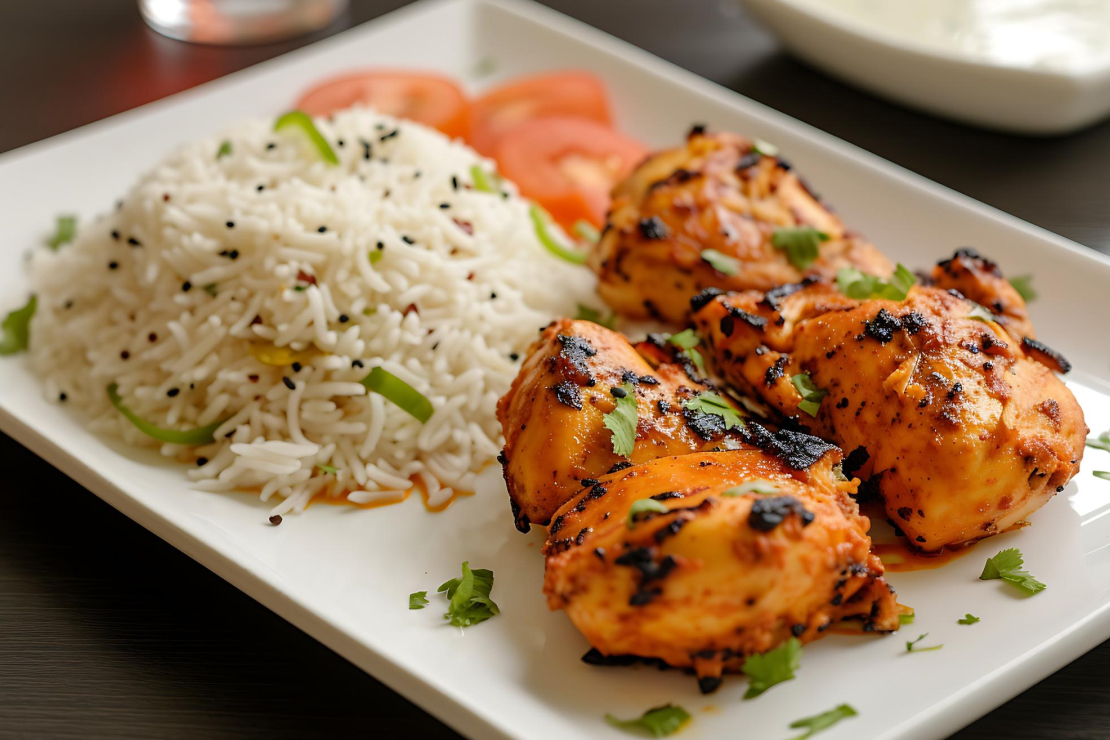
Is Chicken and Rice Healthy Every Day? What Happens to Your Body
Chicken and rice is the go-to meal for gym-goers and dieters everywhere, but is eating it daily actually good for you? We break down the nutrition science, nutrient gaps, and smarter ways to eat this classic combo long-term.
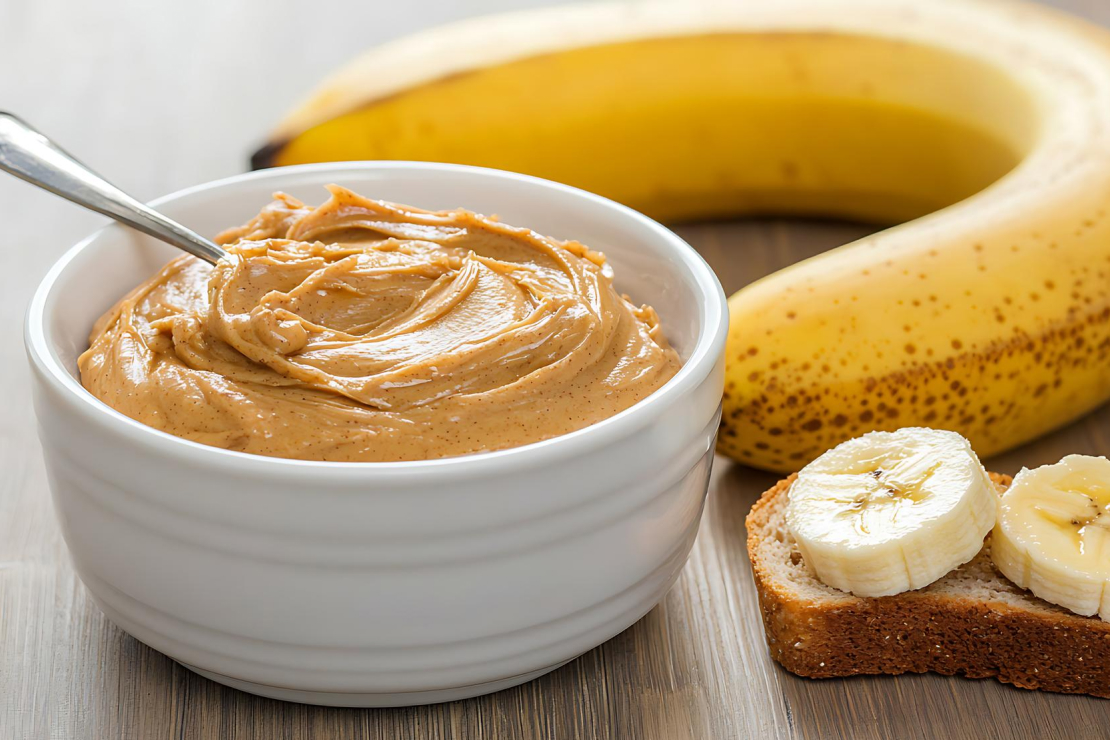
Is Peanut Butter and Banana a Good Meal? The Full Nutritional Breakdown
Peanut butter and banana is a classic combo loved by everyone from Elvis to elite athletes, but does it actually hold up as a real meal? We break down the macros, benefits, and drawbacks of this sweet-and-savory pairing.

How Much Protein Can Your Body Absorb in One Meal?
Discover the truth about protein absorption limits, debunk common myths, and learn how to optimize your protein intake for muscle gain and weight loss goals.
Start Your Health Journey Today
Download Macro Tracking AI and take control of your nutrition with the power of artificial intelligence.