Is Peanut Butter and Banana a Good Meal? The Full Nutritional Breakdown
Peanut butter and banana is a classic combo loved by everyone from Elvis to elite athletes, but does it actually hold up as a real meal? We break down the macros, benefits, and drawbacks of this sweet-and-savory pairing.
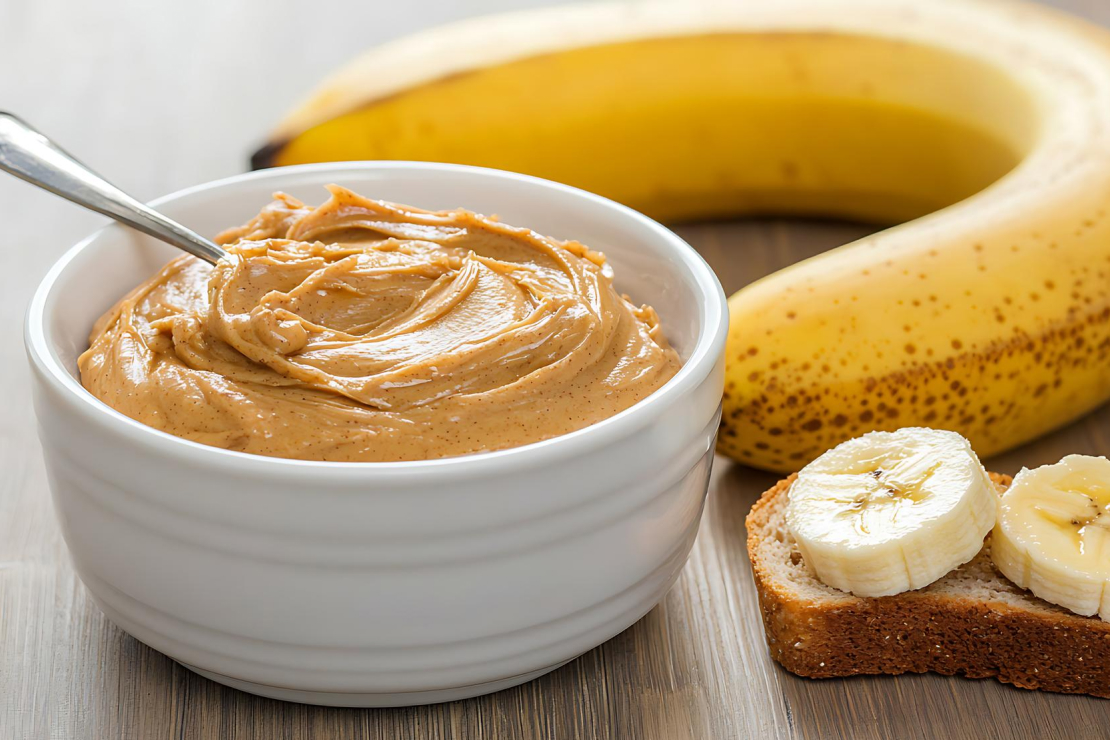
Table of Content
Introduction: The Enduring Appeal of Peanut Butter and Banana
Few food pairings have earned as much cultural staying power as peanut butter and banana. It's the combination behind childhood lunchboxes, post-workout smoothies, and pre-run energy snacks. But beyond nostalgia and convenience, does peanut butter and banana actually deserve a place at the table as a genuine meal, or is it better categorized as a snack asked to do more than it can nutritionally deliver?
Breaking Down the Macros
A typical serving — one medium banana with two tablespoons of natural peanut butter — reveals a macro split that tells you a lot about what this combination is genuinely good at, and where it comes up short.
| Nutrient | Amount | % Daily Value | Key Benefits |
|---|---|---|---|
| Calories | ~310 kcal | 16% | Energy source |
| Protein | ~8-9g | 17% | Modest muscle support |
| Fat | ~16g | 21% | Healthy monounsaturated fats |
| Carbohydrates | ~35g | 13% | Fast energy from banana |
| Fiber | ~5-6g | 21% | Digestion, satiety |
| Potassium | ~450mg | 10% | Muscle function, cramp prevention |
Why This Combination Works as a Snack:
- Sustained Energy: The combination of fast carbohydrates and moderate fat provides sustained energy without a sugar crash.
- Blood Sugar Control: Peanut butter's fat slows digestion of the banana's natural sugars, preventing a sharp blood sugar spike.
- Muscle Support: Potassium from bananas supports muscle function and can help offset cramping during exercise.
- Genuine Nutrition: Unlike many sweet snacks, this pairing delivers real fiber, potassium, and healthy fats alongside its flavor.
Where It Falls Short as a Complete Meal
- Low Protein for a Meal: At roughly 8-9 grams, protein content is well below the 25-40 grams most guidelines recommend per meal for satiety and muscle protein synthesis.
- No Complete Protein Source: There's no source with a full essential amino acid profile the way you'd get from eggs, dairy, or meat.
- Missing Vegetables: No fiber-rich vegetables are present to round out the nutritional profile.
Upgrading Peanut Butter and Banana Into a Real Meal
- Add Protein Powder: Blend into a smoothie to bring protein content up to 25 grams or more.
- Pair with Eggs: Adding two eggs on the side transforms this into a legitimately balanced meal.
- Use Greek Yogurt as a Base: Spreading peanut butter over Greek yogurt instead of toast adds significant complete protein.
- Choose Whole Grain Toast: Swapping white bread for whole grain adds meaningful fiber that extends satiety.
- Sprinkle Chia or Flax Seeds: Boosts fiber and introduces omega-3 fatty acids this pairing doesn't naturally contain.
Banana Ripeness and Portion Considerations
A green or barely-yellow banana contains more resistant starch, which digests more slowly and has a gentler impact on blood sugar. As a banana ripens, that starch converts to simple sugars, explaining why overripe bananas taste sweeter.
- Portion Awareness: A "tablespoon" of peanut butter eyeballed from the jar is frequently closer to two tablespoons, quietly adding 100+ calories.
- Choose Natural Peanut Butter: Look for options with no added sugar or hydrogenated oils.
- Use a Measuring Spoon: Avoid guessing with a calorie-dense food like peanut butter.
Peanut Butter Type: Does It Actually Matter?
Not all peanut butter is created equal, and the type you choose meaningfully affects both the nutrition and how well it fits into a healthy eating pattern.
- Natural Peanut Butter: Contains just peanuts and salt, without added sugars or hydrogenated oils, making it the better default choice for most people.
- Conventional Peanut Butter: Often contains added sugar and hydrogenated oils for shelf stability, which can add unnecessary calories and less healthy fats.
- Powdered Peanut Butter: A lower-fat alternative that retains protein while cutting calories, useful for those specifically minimizing fat intake.
- Almond or Other Nut Butters: A reasonable substitute with a broadly similar fat and protein profile, useful for variety or those with peanut allergies.
Comparing Peanut Butter and Banana to Other Popular Snacks
Understanding how this pairing stacks up against other common snack choices helps put its nutritional value in perspective.
| Snack | Calories | Protein | Fiber |
|---|---|---|---|
| Peanut Butter & Banana | ~310 kcal | ~8-9g | ~5-6g |
| Granola Bar | ~150-250 kcal | ~3-5g | ~2-3g |
| Greek Yogurt Cup | ~100-150 kcal | ~12-17g | ~0g |
| Trail Mix (1/4 cup) | ~170-200 kcal | ~5-6g | ~2-3g |
This comparison shows peanut butter and banana holds its own on fiber and provides genuinely useful potassium and healthy fats that many packaged snacks lack entirely, even though its protein content trails behind dedicated protein sources like Greek yogurt.
Peanut Allergies and Who Should Be Cautious
Peanut allergy is among the most common and potentially severe food allergies, and this pairing obviously isn't suitable for anyone with a known allergy.
- Safe Alternatives: Almond butter, sunflower seed butter, or tahini provide a broadly similar fat and protein profile without the allergen risk.
- Blood Sugar Conditions: Those managing type 2 diabetes should work with a healthcare provider on appropriate portion sizes given the banana's carbohydrate content.
- Weight Management Goals: The calorie density of peanut butter means portion awareness matters more here than with lower-calorie snack options.
Best Times of Day to Eat Peanut Butter and Banana
While total daily nutrition matters more than exact meal timing, there are practical reasons this pairing shines especially well at certain points in the day.
- Morning: Provides a mix of fast and sustained energy to start the day, especially when paired with whole grain toast for added fiber.
- Pre-Workout: Eaten 30-60 minutes before training, the banana's fast carbohydrates fuel the session while peanut butter's fat prevents an early energy crash.
- Post-Workout: Best paired with a protein source, since the combination alone falls short of ideal post-exercise protein targets.
- Mid-Afternoon Slump: A reliable way to curb hunger and stabilize energy between lunch and dinner without reaching for refined sugar.
- Late Evening: Best kept to a smaller portion given the calorie density, especially for those tracking a tight evening calorie budget.
Conclusion: A Genuinely Healthy Snack, Not Quite a Complete Meal
Peanut butter and banana is a genuinely healthy, nutrient-dense pairing that shines as a snack — before or after a workout, as a mid-afternoon energy boost, or as part of a larger meal. On its own, though, it falls short of being a complete meal due to its relatively low protein content.
Add a complete protein source and a bit of fiber, and it easily becomes a balanced, satisfying meal that supports whatever your health and fitness goals happen to be. Track your exact portions with Macro Tracking AI's AI food recognition to keep this calorie-dense pairing working in your favor.
Frequently Asked Questions
Can I eat peanut butter and banana every day?
Is peanut butter and banana good before or after a workout?
Can people with diabetes eat peanut butter and banana?
Is natural peanut butter better than regular peanut butter?
Related Articles
Is Tuna and Rice a Good Bodybuilding Meal? A Complete Breakdown
Tuna and rice has been a bodybuilding staple for decades, but is it actually optimal for muscle growth in 2026? We break down the protein quality, macros, and smart upgrades to make this classic bulk-or-cut meal work even harder.
Are Poached Eggs Healthier Than Fried Eggs? The Full Comparison
Poached and fried eggs start from the exact same ingredient, but the cooking method changes more than you'd think. We compare calories, fat, nutrient retention, and digestibility to settle which preparation genuinely wins.

How Many Calories Do You Burn Cleaning the House? Full 1, 2, and 3 Hour Breakdown by Task
Discover the surprising calorie-burning potential of household chores. Get a detailed breakdown of calories burned during different cleaning activities and learn how to maximize your daily cleaning routine for better fitness results.
Start Your Health Journey Today
Download Macro Tracking AI and take control of your nutrition with the power of artificial intelligence.