Cow's Milk vs. Almond Milk vs. Oat Milk: Decoding the Best Milk for Your Macros and Coffee
With a dizzying array of milk options available, choosing the right one for your dietary needs, macro goals, and even your morning coffee can be a challenge. This comprehensive guide compares cow's milk, almond milk, and oat milk to help you make an informed decision.

Table of Content
Introduction
The dairy aisle has never been more diverse, offering a bewildering array of choices beyond traditional cow's milk. From creamy oat to nutty almond, each milk alternative brings its own unique flavor, texture, and nutritional profile to the table. But when it comes to optimizing your macros, managing calories, and perfecting your morning coffee, which milk reigns supreme?
This comprehensive guide dives deep into the world of milks, comparing cow's milk, almond milk, and oat milk. We'll break down their nutritional content, discuss their culinary applications (especially in coffee!), and help you decode the best option for your healthy lifestyle and macro tracking goals. Whether you're dairy-free, vegan, or simply curious about healthier alternatives, understanding these differences is key to making informed choices. And with our Macro Tracking AI app, you can effortlessly log and analyze your milk choices, ensuring every sip aligns with your personalized goals.
Comparison Overview
| Nutrient | Cow's Milk (Whole) | Almond Milk | Oat Milk (Original) |
|---|---|---|---|
| Calories | ~150 kcal | ~35 kcal | ~120-130 kcal |
| Protein | ~8g | ~1g | ~3-4g |
| Carbohydrates | ~12g | ~1g | ~15-16g |
| Sugar | ~12g (Lactose) | 0g | ~7-8g (Natural) |
| Fat | ~8g | ~2.5g | ~2.5-5g |
| Saturated Fat | ~5g | ~0.2g | ~0.5g |
| Fiber | 0g | <1g | ~2g |
| Calcium (DV%) | ~25-30% | ~30-45% | ~25-35% |
| Vitamin D (DV%) | ~15-20% | ~20-25% | ~20-25% |
Evaluation Criteria
- Nutritional Profile: Calories, protein, carbohydrates, and fats
- Taste & Texture: How it impacts flavor and mouthfeel in beverages and recipes
- Coffee Compatibility: How well it steams, foams, and blends with coffee
- Dietary Suitability: Lactose intolerance, vegan, allergies
- Environmental Impact: Water usage, land use, emissions
Cow's Milk: The Traditional Choice
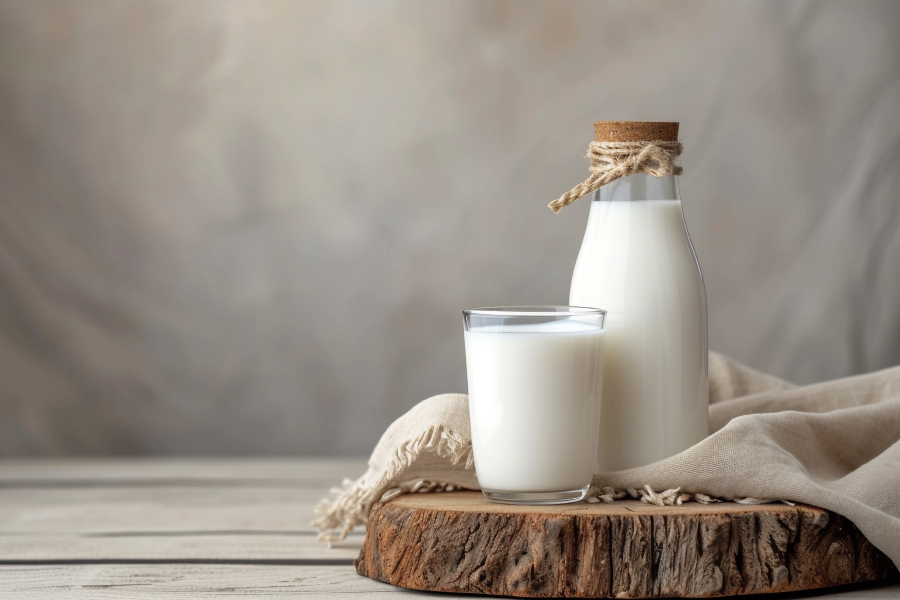
Overview
For centuries, cow's milk has been a dietary staple, revered for its rich nutritional profile and versatility. It's a complete protein source, meaning it contains all nine essential amino acids, and is naturally abundant in calcium and vitamin D (often fortified).
Key Features
- Complete protein source (8g per cup)
- Rich in calcium, vitamin D, and B vitamins
- Creamy texture and neutral flavor
- Available in various fat percentages (whole, 2%, 1%, skim)
| Pros | Cons |
|---|---|
|
|
Use Cases
Post-Workout Recovery
The combination of protein and carbohydrates in cow's milk makes it an effective recovery drink after exercise.
- Opt for chocolate milk for added carbs and electrolytes
- Pair with a banana for extra potassium
- Consider lower-fat options for calorie control
Baking and Cooking
Its rich texture and flavor make it ideal for a wide range of recipes, from creamy sauces to baked goods.
- Use whole milk for richer results in baking
- Skim milk can be used for lighter sauces
- Great for custards, puddings, and pancakes
Everyday Beverage
A nutritious drink on its own or as an addition to cereals and smoothies.
- Choose fortified options for extra vitamin D
- Monitor portion sizes for calorie management
- Combine with fruits and vegetables in smoothies
Verdict
Cow's milk remains a powerhouse of nutrition, particularly for protein and essential minerals, but its lactose content and higher calories/saturated fat (in whole versions) may not suit everyone.
Almond Milk: The Low-Calorie Contender
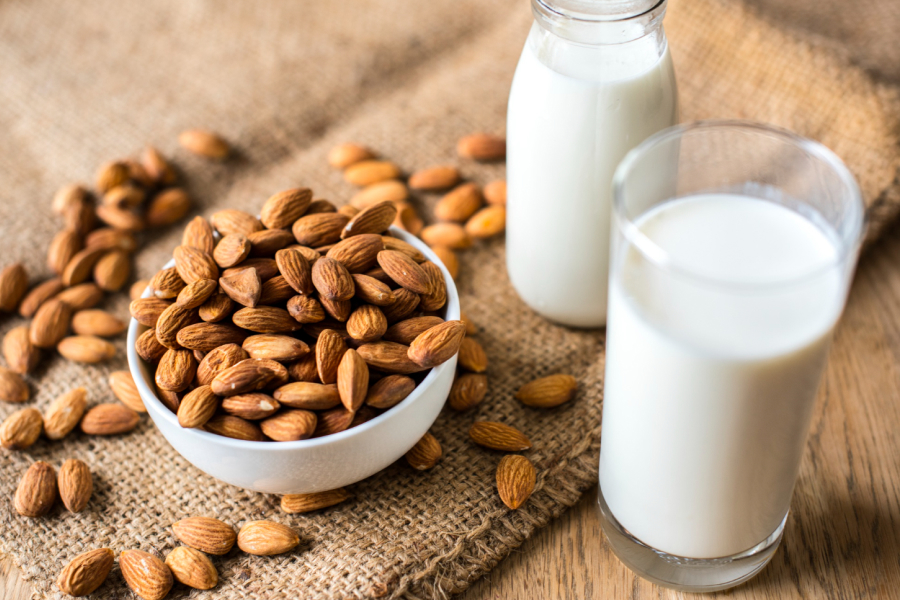
Overview
Almond milk, a popular plant-based alternative, is made from ground almonds and water. Its unsweetened varieties are particularly favored for their remarkably low-calorie count and neutral flavor, making them a go-to for those managing weight loss or calorie tracking.
Key Features
- Very low in calories (especially unsweetened)
- Naturally lactose-free and dairy-free
- Mild, slightly nutty flavor
- Often fortified with calcium and vitamin D
| Pros | Cons |
|---|---|
|
|
Use Cases
Smoothies and Protein Shakes
Its low-calorie and neutral profile make it an ideal base for smoothies and protein shakes without adding excess calories or altering flavor.
- Always choose unsweetened varieties
- Combine with protein powder for macro balance
- Add fruits and vegetables for nutrient boost
Cereal and Oatmeal
A light and refreshing option for breakfast cereals and oatmeal, keeping calorie counts low.
- Ensure it's unsweetened to avoid added sugars
- Can be heated for warm oatmeal
- Pairs well with berries and nuts
Light Coffee Drinks
While not the creamiest, unsweetened almond milk works for those who prefer a lighter coffee with minimal calories.
- May curdle in very hot coffee if not tempered
- Choose barista blends for better frothing
- Best for iced coffee or lighter lattes
Verdict
Unsweetened almond milk is the champion for those prioritizing low calories and minimal impact on macro counts, especially for <span class="highlight">weight loss</span>, but its low protein content should be considered.
Oat Milk: The Barista Favorite
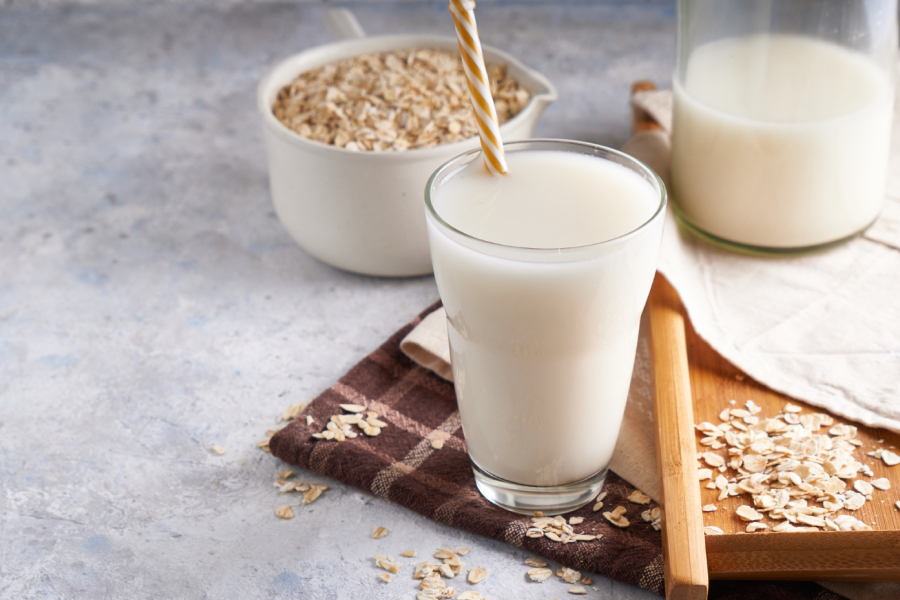
Overview
Oat milk, made from blended oats and water, has rapidly risen in popularity, particularly among coffee aficionados, due to its naturally creamy texture and ability to froth beautifully. It offers a moderate nutritional profile and contains beneficial beta-glucan fiber.
Key Features
- Naturally creamy texture, excellent for frothing
- Contains beta-glucan fiber (2g per cup)
- Lactose-free and dairy-free
- Moderate protein and carbohydrate content
| Pros | Cons |
|---|---|
|
|
Use Cases
Coffee and Tea
Its natural creaminess and frothing capabilities make it the top choice for baristas and home coffee brewers.
- Opt for barista blends for best results
- Pairs well with both espresso and drip coffee
- Can be used in hot or iced beverages
Smoothies and Shakes
Adds a creamy texture and moderate carbohydrates to smoothies, providing sustained energy.
- Blends well with fruits and protein powders
- Can be a good source of pre-workout carbs
- Choose unsweetened versions to control sugar intake
Oatmeal and Baking
Its natural sweetness and creamy texture enhance oatmeal and can be a good dairy substitute in baking.
- Use in overnight oats for extra creaminess
- Can replace cow's milk 1:1 in most baking recipes
- Adds a subtle oat flavor to dishes
Verdict
Oat milk strikes a balance between creaminess, moderate nutrition, and excellent coffee compatibility, making it a versatile and popular plant-based choice, especially for those seeking fiber benefits.
Summary
Making Your Milk Choice
The ideal milk for you hinges on your individual needs and preferences. If protein is your priority, cow's milk is hard to beat. For low-calorie options, unsweetened almond milk is the clear winner. And for that perfect coffee experience, oat milk often takes the crown. Consider your dietary restrictions, taste preferences, and how each milk fits into your overall macro goals.
Remember, precise macro tracking is crucial for achieving your nutrition and weight loss objectives. Our Macro Tracking AI app simplifies this process with features like Calorie Tracking and Daily Analytics, allowing you to accurately monitor your milk intake and its impact on your overall diet. Make every choice count towards a healthier you!
| Category | Best Option | Why? |
|---|---|---|
| Protein Content | Cow's Milk | Highest protein content with all essential amino acids. |
| Lowest Calories | Almond Milk | Significantly lower in calories, ideal for calorie deficit. |
| Creaminess for Coffee | Oat Milk | Naturally creamy texture, foams well for lattes and cappuccinos. |
| Lactose-Free | Almond Milk & Oat Milk | Excellent alternatives for those with lactose intolerance. |
| Nutrient Density | Cow's Milk | Naturally rich in calcium, vitamin D, and other essential nutrients. |
| Fiber Content | Oat Milk | Contains beneficial beta-glucan fiber for heart health. |
| Versatility (Cooking/Baking) | Cow's Milk & Oat Milk | Both perform well in various culinary applications. |
Conclusion
The debate between cow's milk, almond milk, and oat milk is nuanced, with each offering distinct advantages. Cow's milk provides a robust nutritional profile, especially for protein and calcium. Unsweetened almond milk is an excellent choice for those seeking minimal calories and carbohydrates. Oat milk shines with its creamy texture, fiber content, and superior performance in coffee.
Ultimately, the "best" milk is the one that aligns with your personal health goals, dietary requirements, and taste preferences. Don't forget to consider the environmental impact of your choices. To ensure your milk selection supports your healthy eating and macro goals, utilize tools like the Macro Tracking AI app. Its AI Food Recognition and Progress Visualization features empower you to make informed decisions and track your journey towards optimal health, one glass at a time.
"The perfect milk is a personal journey. Understand its macros, enjoy its taste, and let smart tracking guide your way to a healthier, happier you."
Related Articles

Avocado vs. Almonds vs. Olive Oil: Which Healthy Fat is Best for Satiety and Heart Health?
Explore the benefits of avocado, almonds, and olive oil to determine which healthy fat source offers the most for satiety and cardiovascular well-being. A detailed comparison for optimizing your diet.
Is Milk Your Friend or Foe for Weight Loss?
The science behind milk: An honest look at the pros and cons of dairy in a modern world.

Cheddar Cheese vs. Feta Cheese vs. Mozzarella: The Best Cheese Choice for a Calorie-Conscious Diet.
Navigate the world of cheese with confidence! This guide compares Cheddar, Feta, and Mozzarella to help you make the best, most delicious choices for your calorie-conscious diet and macro goals.
Start Your Health Journey Today
Download Macro Tracking AI and take control of your nutrition with the power of artificial intelligence.