Yerba Mate: The Macro-Friendly Coffee Alternative
Looking for a coffee alternative that provides a smooth, sustained energy boost without the jitters? Discover Yerba Mate. We're exploring the unique benefits of this South American super-brew, from its impressive nutrient profile to its balanced stimulant effect, and why it's a perfect fit for a health-conscious lifestyle.
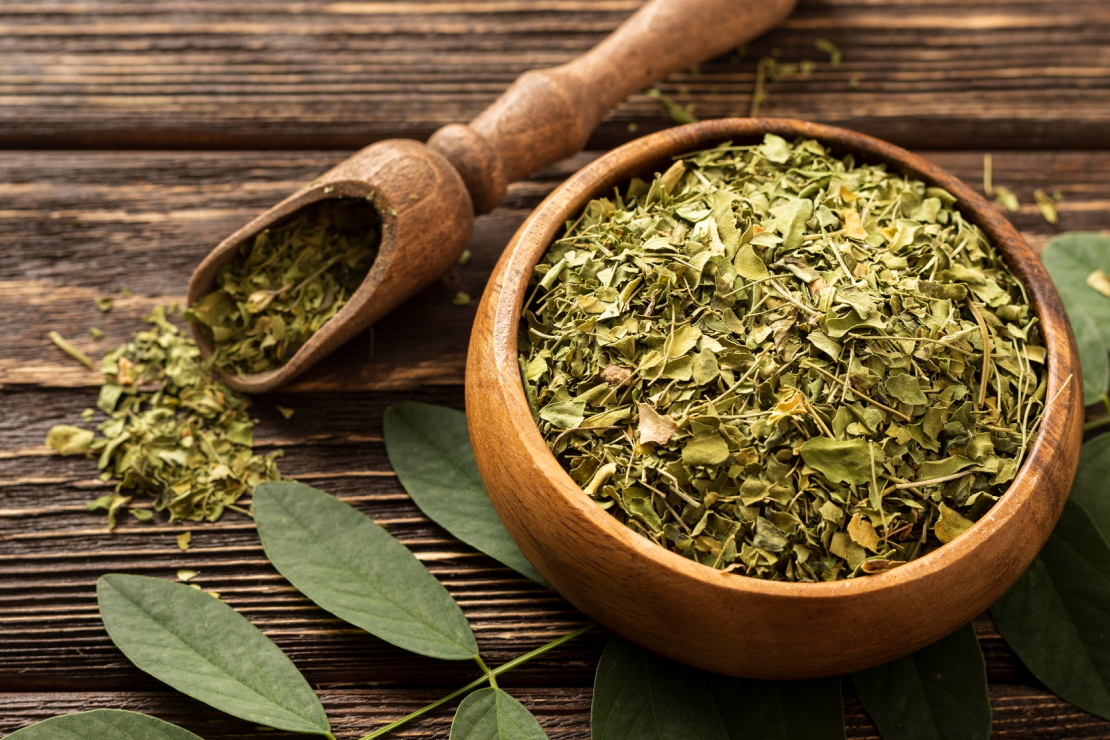
Table of Content
For coffee lovers seeking a change of pace, the world of caffeinated beverages offers a fascinating and increasingly popular alternative: Yerba Mate. This traditional South American drink, brewed from the dried leaves and twigs of the Ilex paraguariensis tree, is rapidly gaining global recognition for its unique energy-boosting properties and impressive array of health benefits.
Unlike the sharp jolt and potential crash often associated with coffee, Yerba Mate is celebrated for providing a smooth, sustained, and clear-headed focus. But what exactly is this "super-brew," how does it stack up against our beloved coffee, and why is it an excellent choice for anyone tracking their macros and prioritizing their health? Let's dive deep into the world of Yerba Mate.
Beyond Caffeine: The Unique Trio of Stimulants
While Yerba Mate does contain caffeine, its stimulating effects are notably different from coffee due to the presence of two other related xanthine alkaloids:
- Theobromine: This compound, famously found in dark chocolate, provides a milder, longer-lasting stimulating effect than caffeine. It's known for its vasodilating properties, which can improve blood flow and contribute to a more relaxed, yet alert, state.
- Theophylline: Present in smaller amounts, theophylline is also found in tea and is recognized for its ability to relax smooth muscles, particularly in the airways.
This harmonious blend of stimulants is believed to be responsible for Yerba Mate's signature "mate glow"—a state of sustained energy, enhanced mental clarity, and improved mood, often without the nervousness, jitters, or post-caffeine crash that some individuals experience with coffee. Many users describe the energy from mate as "clean" and "focused."
A Nutritional Powerhouse: Antioxidants, Vitamins, and Minerals
Yerba Mate isn't just about the buzz; it's a legitimate superfood packed with a wide array of beneficial compounds that contribute to overall well-being. Its nutrient profile rivals that of green tea, often exceeding it in certain categories.
- Antioxidant Riches: Yerba Mate is loaded with powerful antioxidants, notably various polyphenols (including caffeoyl derivatives like chlorogenic acid and quercetin) and saponins. These compounds combat oxidative stress, protecting your cells from damage caused by free radicals. Some studies suggest Yerba Mate boasts a higher antioxidant capacity than even green tea.
- Anti-inflammatory Effects: The saponins and polyphenols present in mate have demonstrated significant anti-inflammatory properties, which can contribute to overall health and may reduce the risk of chronic diseases.
- Digestive Health Support: Traditionally, Yerba Mate has been used as a digestive aid. It can stimulate bile production and gut motility. Furthermore, some research indicates potential prebiotic effects, fostering a healthier gut microbiome.
- Heart Health: Thanks to its saponin content, Yerba Mate may help lower LDL ("bad") cholesterol and triglycerides. Its antioxidant properties also contribute to vascular health and may reduce the risk of cardiovascular diseases.
- Vitamins and Minerals: Mate contains a modest but significant amount of essential micronutrients, including Vitamin B1 (thiamine), B2 (riboflavin), B3 (niacin), B5 (pantothenic acid), Vitamin C, potassium, magnesium, manganese, and iron.
Yerba Mate vs. Coffee: A Side-by-Side Comparison
Choosing between Yerba Mate and coffee often comes down to personal preference and how your body reacts to their distinct stimulant profiles. Here’s a detailed comparison:
Yerba Mate vs. Coffee: Head-to-Head
| Feature | Coffee (Typical 8oz Brew) | Yerba Mate (Typical 8oz Brew) |
|---|---|---|
| Primary Stimulants | Caffeine | Caffeine, Theobromine, Theophylline |
| Caffeine Content (Average) | ~95 mg (range: 70-200 mg) | ~85 mg (range: 50-120 mg) |
| Energy Feel | Sharp, intense peak; potential for jitters, anxiety, and crash | Smooth, sustained, clear-headed focus; less jittery, no crash |
| Acidity | Higher; can sometimes cause stomach upset or acid reflux | Lower; generally considered gentler on the stomach |
| Antioxidants | Chlorogenic Acids, Melanoidins | Saponins, Polyphenols (e.g., Quercetin, Rutin) |
| Vitamins/Minerals (Notable) | B2, B3, B5, Magnesium, Potassium | B1, B2, B3, B5, C, Magnesium, Potassium, Manganese, Iron |
| Taste Profile | Roasted, nutty, bitter, often chocolaty or fruity notes | Earthy, grassy, slightly bitter, sometimes smoky or herbaceous |
| Cultural Significance | Global daily ritual, ubiquitous café culture | South American communal sharing ritual, symbol of hospitality |
The Perfect Macro-Friendly Beverage
One of Yerba Mate's most appealing attributes for health-conscious individuals is its macro-friendly nature. Traditionally prepared, unsweetened Yerba Mate is a virtually zero-calorie beverage, making it an ideal choice for those managing their caloric intake or practicing intermittent fasting.
This makes tracking it incredibly simple. In an app like Macro Tracking AI, a cup of unsweetened Yerba Mate can be logged with zero calories, allowing you to enjoy its energy-boosting benefits without any impact on your nutritional goals. However, always exercise caution with commercially bottled or canned Yerba Mate products, which are often heavily sweetened. Always check the nutritional label, and if you're unsure, use the app's barcode scanner or AI camera feature to get an accurate reading.
Brewing Methods & Cultural Significance
Yerba Mate is more than just a drink in South America; it's a profound cultural ritual. The traditional method involves:
- The Gourd (Mate): A hollowed-out squash or wooden cup.
- The Bombilla: A metal straw with a filter at the bottom to separate the mate leaves from the liquid.
- The Ritual: Mate is typically shared communally. One person (the cebador) prepares the mate and serves it to each person in the circle, refilling and passing the same gourd and bombilla around. This act symbolizes friendship and connection.
While the traditional method is beautiful, you don't need special equipment to enjoy Yerba Mate. You can easily brew it using:
- French Press: Steep loose-leaf mate in hot water for 3-5 minutes.
- Tea Infuser/Bags: For convenience, many brands offer mate in tea bags or loose leaf for infusers.
The flavor can be an acquired taste—earthy, grassy, and sometimes smoky—but many quickly come to appreciate its unique profile and the sustained energy it provides.
Conclusion: A Worthy Contender
Yerba Mate offers a compelling alternative for those seeking a different kind of caffeinated experience. With its balanced blend of stimulants providing smooth, sustained energy and an impressive profile of antioxidants, it’s far more than just a novelty. Its low acidity and macro-friendly, zero-calorie nature make it an excellent addition to any health-conscious person's beverage rotation.
If you're looking to switch things up from your usual coffee or tea, or simply want a more sustained energy without the jitters, give Yerba Mate a try. You might just discover your new favorite way to fuel your day and enhance your well-being.
Related Articles
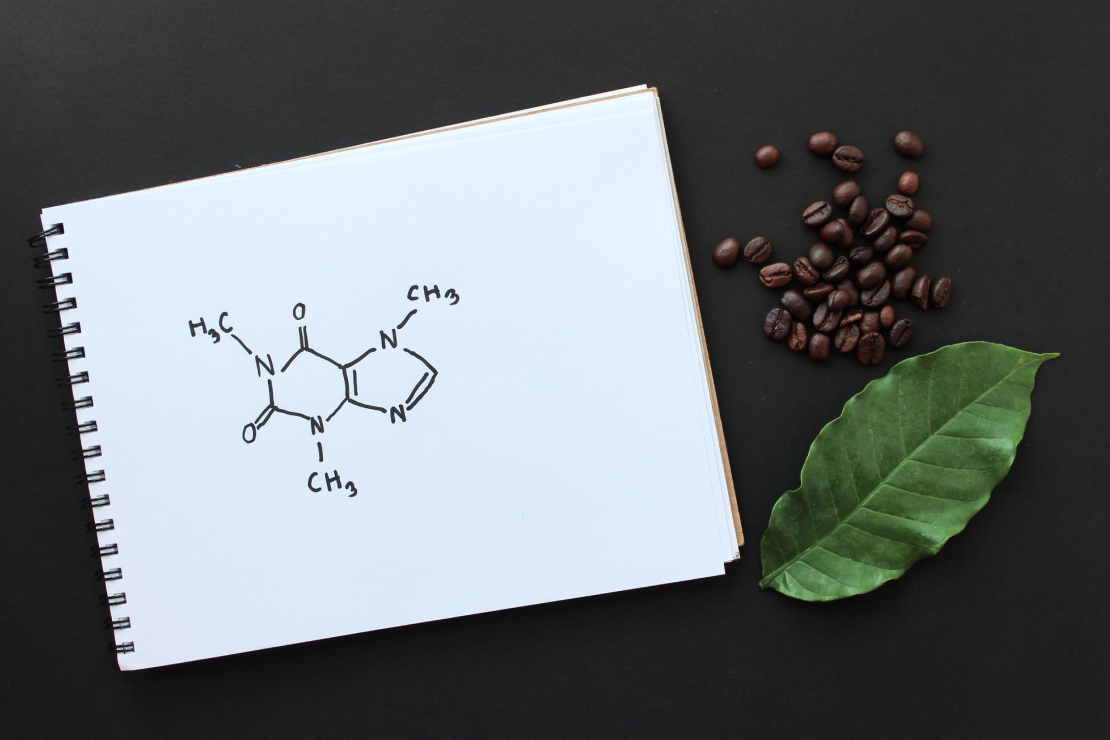
The Chemistry of Coffee: What Are You Actually Drinking?
Go beyond the caffeine. Coffee is a complex brew of over a thousand chemical compounds. We're breaking down the science of what's in your cup, from powerful antioxidants to the molecules that create its incredible aroma and flavor, and what it all means for your health.

Coffee Myths Debunked: Does it Really Dehydrate You?
Is coffee a diuretic that leads to dehydration? Does it stunt your growth? We're tackling the most persistent myths about coffee with scientific facts, so you can sip your favorite beverage with confidence and clarity.

The Ritual of the Roast: Why Our Morning Coffee is More Than Just Caffeine
From the first whiff of freshly ground beans to the last warm sip, the morning coffee ritual is a sacred practice for millions. We'll explore the deep psychological roots of this daily ceremony, uncovering why it's a powerful tool for mindfulness, productivity, and comfort in our hectic lives.
Start Your Health Journey Today
Download Macro Tracking AI and take control of your nutrition with the power of artificial intelligence.