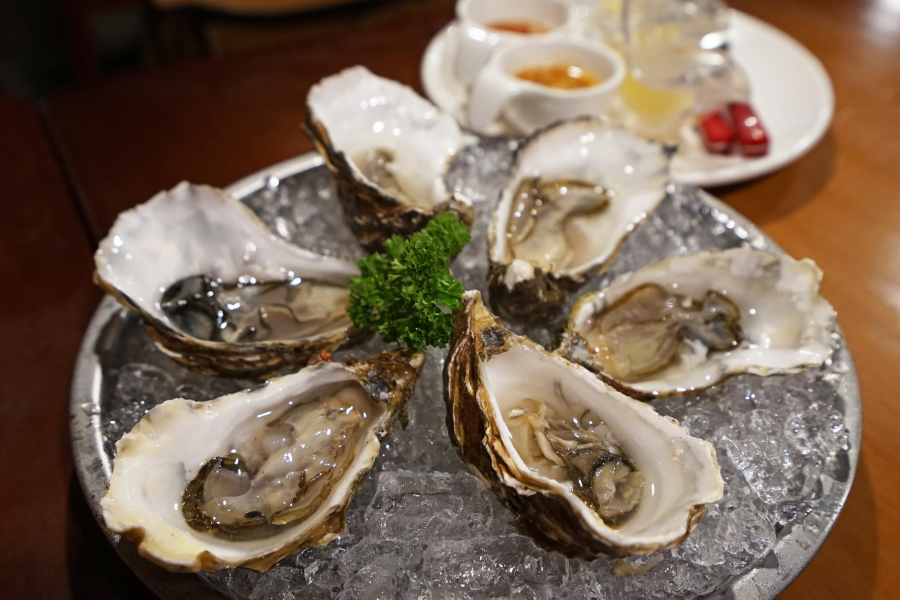
About Oysters
Oysters are bivalve mollusks that are considered a delicacy worldwide. They can be eaten raw, steamed, boiled, baked, or used in a variety of recipes. Oysters are not only prized for their unique, briny flavor but also for their impressive nutritional profile, particularly their high zinc content.
Nutrition Facts
CALORIES
69 kcal
% Daily Value*
Total Fat 2g
3%
Saturated Fat 0.5g
3%
Cholesterol 50mg
17%
Sodium 106mg
5%
Total Carbohydrate 3.9g
1%
Dietary Fiber 0g
0%
Total Sugars 0g
Protein 9g
18%
Vitamin D 1.2mcg
6%
Calcium 8mg
1%
Iron 5.1mg
28%
Potassium 156mg
3%
* The % Daily Value tells you how much a nutrient in a serving of food contributes to a daily diet. 2,000 calories a day is used for general nutrition advice.
Nutritional Benefits
- Excellent source of zinc and iron
- Rich in vitamin B12
- Good source of protein
- Contains omega-3 fatty acids
Preparation Tips
Oysters can be enjoyed raw with a squeeze of lemon or mignonette sauce. They can also be grilled, baked with various toppings (Rockefeller style), or added to stews and chowders. When preparing raw oysters, ensure they're fresh and properly shucked. For cooking, avoid overcooking as they can become tough and rubbery.
Start Your Health Journey Today
Download Macro Tracking AI and take control of your nutrition with the power of artificial intelligence.