Turkey Bacon vs. Regular Bacon: The Complete Nutrition Comparison
Turkey bacon is marketed as the guilt-free breakfast swap, but does it actually beat pork bacon nutritionally? We compare calories, fat, sodium, and flavor to find out which one truly deserves a spot on your plate.
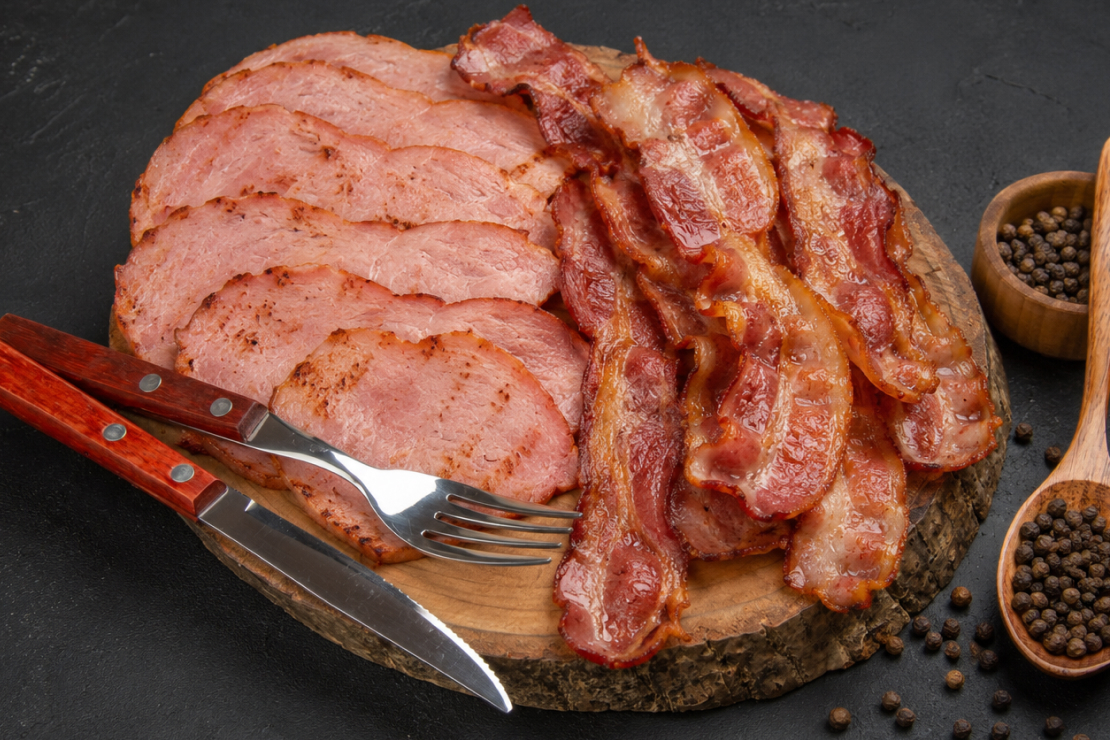
Table of Content
Introduction
Turkey bacon has built its entire market position around one promise: all the smoky, salty breakfast satisfaction of regular bacon, without the guilt. It's the default recommendation in countless "healthy swap" articles and the go-to choice for anyone trying to cut calories or saturated fat without giving up their favorite breakfast protein.
This guide breaks down the real nutrition numbers behind turkey bacon and regular pork bacon, revealing a comparison that's genuinely closer than turkey bacon's health-food reputation suggests.
Comparison Overview
| Nutrient (2 cooked slices) | Turkey Bacon | Pork Bacon | Difference |
|---|---|---|---|
| Calories | ~60-70 kcal | ~80-90 kcal | Turkey bacon has ~20 fewer kcal |
| Total Fat | ~4-5g | ~6-7g | Turkey bacon has ~2g less fat |
| Saturated Fat | Notably lower | Notably higher | Turkey bacon meaningfully lower |
| Protein | ~5-6g | ~4-6g | Roughly comparable, turkey slightly higher |
| Sodium | ~300-400mg | ~300-400mg (varies) | Often comparable or turkey higher |
| Processing | Cured, processed meat | Cured, processed meat | Both rely on nitrates or nitrites |
Evaluation Criteria
- Calorie and total fat content per equivalent serving
- Saturated fat differences relevant to cardiovascular health
- Sodium content, which varies significantly by brand
- Processing and nitrate content in both options
- Flavor, texture, and overall satisfaction
- Real-world calorie impact based on cooking method
Turkey Bacon: The Leaner Option
Overview
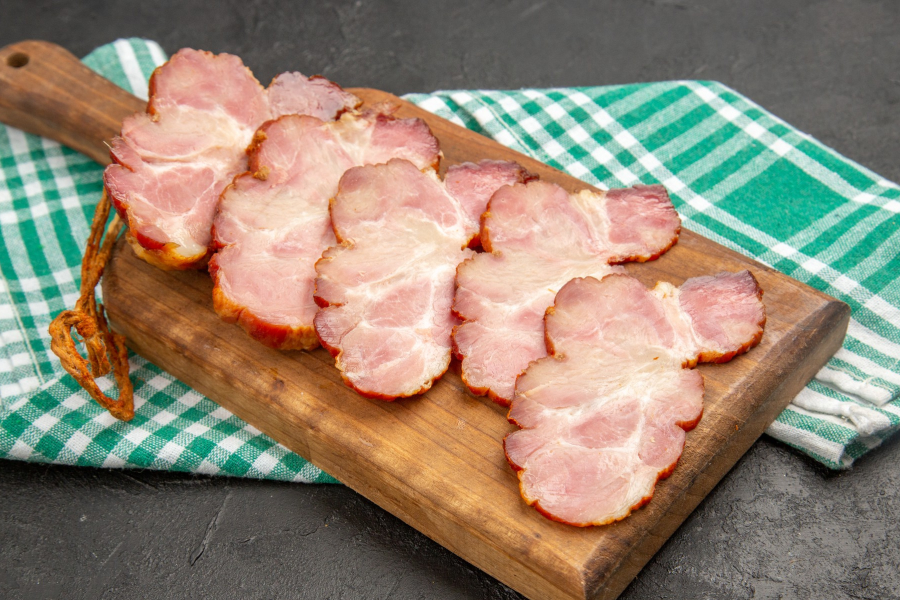
Turkey bacon genuinely outperforms pork bacon on calories and saturated fat, though the margin is smaller than many assume. Two slices typically contain 60-70 calories and 4-5 grams of fat, with notably less saturated fat than pork bacon. However, because turkey has a naturally milder flavor, manufacturers often use more aggressive curing and seasoning, which means sodium content is frequently comparable to, or even higher than, pork bacon.
Key Features
- Lower calories and total fat than pork bacon
- Meaningfully lower saturated fat content
- Slightly higher protein per serving due to leanness
- Sodium content varies significantly and can rival pork bacon
| Pros | Cons |
|---|---|
|
|
Use Cases
Saturated Fat Reduction
Turkey bacon is the sensible choice when a doctor or dietitian has specifically flagged saturated fat as a cardiovascular concern.
- Check the sodium content on your specific brand before assuming it's lower
- Bake on a wire rack to let excess fat drip away during cooking
- Log your specific brand with Macro Tracking AI for accurate sodium tracking
Choosing a Lower-Sodium Turkey Bacon Brand
Because turkey bacon sodium varies dramatically by brand, comparing labels side by side before buying is the single most effective way to actually capture a health benefit beyond just saturated fat.
- Compare sodium per serving across at least two or three brands before choosing
- Look for "reduced sodium" varieties, which can cut sodium by 25% or more
- Pair with naturally low-sodium sides like fresh fruit or plain eggs to balance the meal
Verdict
Turkey bacon offers a genuine, meaningful advantage in calories and saturated fat, but its "healthier" reputation doesn't hold up as cleanly once sodium content is factored in — always check the label.
Regular Bacon: Rich Flavor, More Fat
Overview
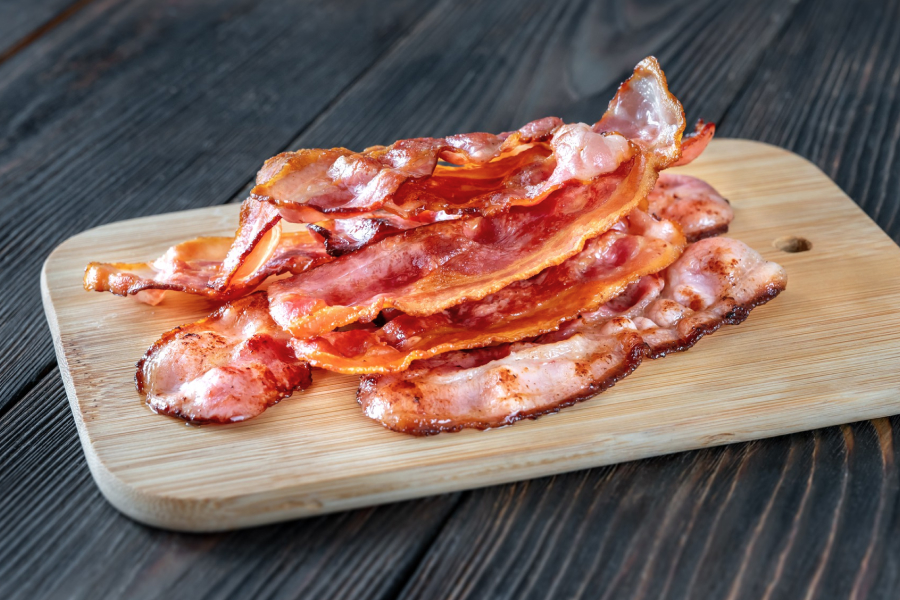
Traditional pork bacon delivers 80-90 calories and 6-7 grams of fat per two slices, with notably more saturated fat than turkey bacon. Its higher fat content contributes to the rich flavor and distinctive crispy-yet-tender texture that many people specifically crave — a satisfaction factor that's easy to overlook when comparing nutrition labels in isolation.
Key Features
- Rich, well-developed flavor from higher fat content
- Crispy texture that renders out fat during cooking
- Widely recognized taste that many find more satisfying
- Fat renders out significantly when pan-fried until crispy
| Pros | Cons |
|---|---|
|
|
Use Cases
Flavor-Forward, Satisfying Breakfast
When satisfaction and adherence matter most, a small amount of quality pork bacon can be the smarter overall choice even at a higher calorie cost per slice.
- Bake on a wire rack to let fat drip away rather than pooling in a pan
- Practice portion control rather than eliminating it entirely
- Balance with lower-fat proteins throughout the rest of your day
Reducing Fat Without Losing Flavor
A few cooking adjustments let you keep most of pork bacon's signature flavor while trimming a meaningful portion of the fat and calories that typically come with it.
- Bake instead of pan-fry to allow more fat to render away naturally
- Pat cooked bacon with a paper towel to remove surface grease before serving
- Choose center-cut bacon, which trims some of the fattiest portions of the strip
Verdict
Regular bacon carries more calories and saturated fat, but its flavor and satisfaction value are real considerations — occasional, portion-controlled enjoyment can fit into a balanced diet.
Summary
Making the Right Choice with Macro Tracking AI
The right choice between turkey bacon and pork bacon genuinely depends on what you're optimizing for — and checking the actual label matters more than the general assumption.
| Priority | Best Choice | Why? |
|---|---|---|
| Lowest calories | Turkey bacon | Leaner meat reduces overall calorie count |
| Lowest saturated fat | Turkey bacon | Meaningfully lower saturated fat content |
| Lowest sodium | Check the label | Varies significantly by brand for both types |
| Flavor and texture | Pork bacon | Higher fat content delivers richer flavor and crispness |
| Cardiovascular risk management | Turkey bacon | Lower saturated fat supports heart health goals |
Because sodium and fat content vary significantly between brands for both types, logging your specific product with Macro Tracking AI's AI food recognition ensures your tracked numbers reflect what you're actually eating.
Other Bacon Alternatives Worth Knowing About
Turkey and pork aren't the only bacon options available. Beef bacon, more common in some international markets, tends to sit somewhere between the two in fat content depending on the cut and brand. Nitrate-free turkey bacon exists, relying on vacuum sealing and refrigeration instead of chemical curing, though it's less common and has a shorter shelf life. Plant-based bacon alternatives made from mushrooms, coconut, or soy have also become increasingly sophisticated, offering a genuinely bacon-adjacent flavor with a completely different nutritional profile — typically lower in saturated fat but sometimes higher in sodium depending on the brand.
| Priority | Best Choice | Why? |
|---|---|---|
| Lowest calories | Turkey bacon | Leaner meat reduces overall calorie count |
| Lowest saturated fat | Turkey bacon | Meaningfully lower saturated fat content |
| Lowest sodium | Check the label | Varies significantly by brand for both types |
| Flavor and texture | Pork bacon | Higher fat content delivers richer flavor and crispness |
| Cardiovascular risk management | Turkey bacon | Lower saturated fat supports heart health goals |
Conclusion
Turkey bacon does offer a genuine, meaningful advantage in calories and especially saturated fat compared to regular pork bacon, making it a reasonable choice for anyone specifically managing those numbers. However, its reputation as an unambiguously "healthier" choice doesn't hold up as cleanly once sodium content and processing methods are factored in.
The smartest approach is choosing based on your specific health priorities, checking actual nutrition labels rather than assumptions, and treating either option as an occasional food rather than a daily staple.
"Turkey bacon isn't a health food swap in disguise — it's a modest calorie and saturated fat improvement that comes with its own sodium trade-offs worth checking on the label."
Related Articles
Debunking the Myth: Does Turkey Bacon Really Have Nitrates?
Discover the truth about nitrates in turkey bacon, understand the differences between natural and artificial nitrates, and learn how to make informed choices about your breakfast proteins.
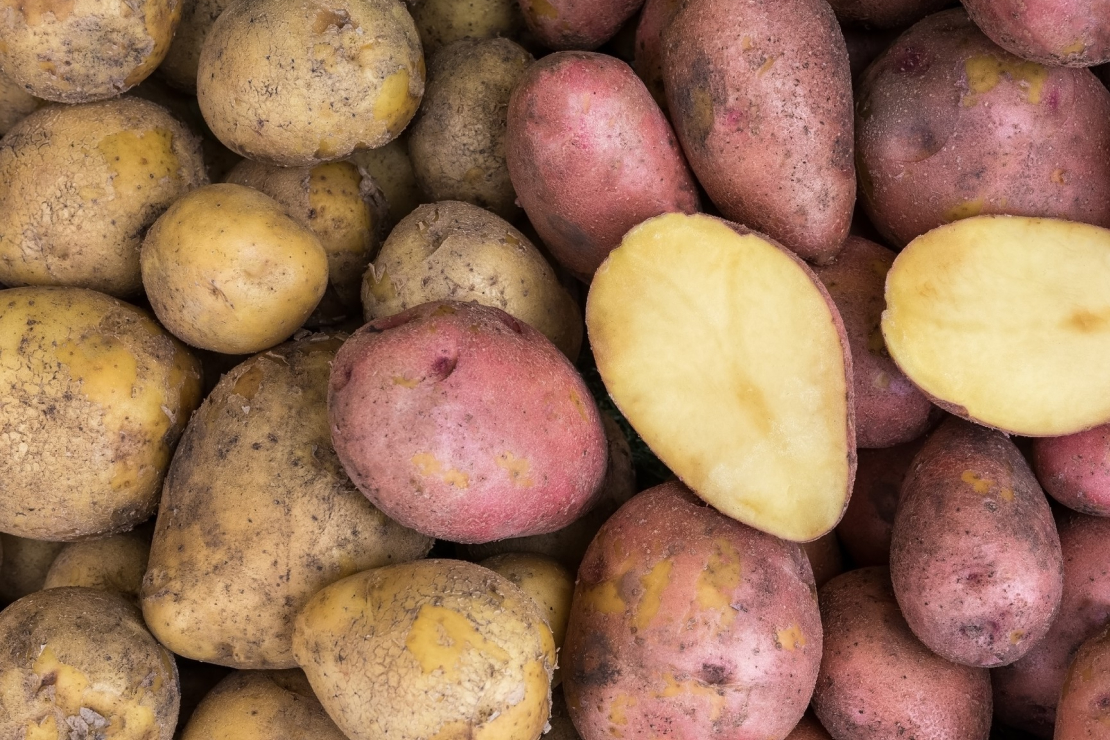
Sweet Potato vs. Regular Potato for Weight Loss: Which Really Wins?
Sweet potatoes have a health-food reputation while regular potatoes get unfairly labeled as fattening. We compare calories, glycemic index, fiber, and satiety to reveal which spud actually supports weight loss better.

Egg Whites vs. Whole Eggs for Muscle Gain: Which Actually Builds More Muscle?
Bodybuilders have argued over egg whites versus whole eggs for decades. We dig into the muscle protein synthesis research, nutrient comparison, and calorie math to settle which option truly supports muscle growth better.
Start Your Health Journey Today
Download Macro Tracking AI and take control of your nutrition with the power of artificial intelligence.